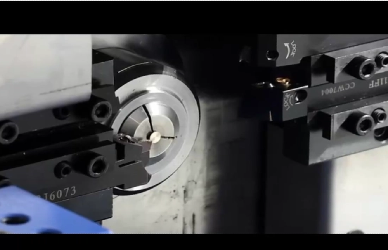
Swiss CNC machining is a high-precision manufacturing process using specialized CNC machines to create intricate parts with exceptional accuracy. Unlike traditional methods, Swiss CNC machines feature a sliding headstock mechanism, allowing continuous material feeding and real-time tool control. This makes them ideal for producing small, detailed components in industries like automotive, aerospace, medical, and electronics. Choosing the right Swiss CNC machining provider is vital as it affects quality, cost, and project timelines. A skilled service provider ensures advanced equipment, skilled operators, and strict quality control, helping maintain project integrity. The right partner also offers added value like prototyping and material selection, ensuring your project runs smoothly, preventing delays or cost overruns.
Step 1: Assess Your Project Requirements
1.Understand Your Precision and Tolerance Needs:
The first step is to assess your precision and tolerance requirements. Swiss CNC machines offer high precision, often achieving tolerances as tight as ±0.01mm. Knowing the exact level of precision needed for your parts ensures you choose the right machine and service provider to meet your project specifications.
2.Material Selection:
Material choice is vital in Swiss CNC machining. These machines can handle a wide range of materials, including metals like aluminum, stainless steel, and titanium, as well as plastics and composites. Understanding the specific material requirements for your project will help you select a provider capable of optimizing machining settings to handle different materials effectively while maintaining part integrity.
3.Complexity of the Parts:
Consider the complexity of the parts you need. Swiss CNC machining is ideal for producing intricate geometries and fine details. If your parts require multi-axis machining or have complex features like tight radii or undercuts, Swiss CNC machines offer the necessary precision and efficiency to meet these demands. Identifying the complexity of your components helps ensure the right approach for production.
Step 2: Evaluate the CNC Machining Service Provider’s Capabilities
1.Machine Types and Technology:
When evaluating a Swiss CNC machining service provider, it’s crucial to examine the types of machines they offer. Look for providers that offer advanced machine options like 5-axis or multi-axis CNC machines, as these are essential for producing complex and precise parts. Multi-axis capabilities allow for machining parts in multiple directions simultaneously, ensuring higher accuracy and reducing production time. Additionally, assess whether the provider has automation capabilities, such as robotic loading and unloading, which can increase efficiency and reduce the risk of human error in high-volume production.
2.Experience in Your Industry:
It’s important to choose a Swiss CNC machining service provider with relevant experience in your specific industry. Different sectors, such as automotive, aerospace, or medical, have unique requirements and standards. A provider with experience in your industry will better understand the specific tolerances, materials, and production volumes needed for your components. They will also be familiar with any industry-specific regulations, ensuring that the parts are manufactured to meet the required specifications and safety standards.
3.Quality Certifications and Standards:
Quality assurance is a critical factor when selecting a Swiss CNC machining provider. Ensure that the provider adheres to recognized industry standards and holds certifications like ISO 9001 for quality management or AS9100 for aerospace manufacturing. These certifications indicate that the company follows rigorous quality control processes and continually strives to improve its operations. A certified provider is more likely to deliver consistent, high-quality products that meet your project's specifications and industry regulations.
Step 3: Consider Lead Time and Turnaround
1.Understand the Timeframe:
Effective communication of your project’s timeline is essential when selecting a Swiss CNC machining service provider. Be clear about your required delivery dates, and ensure that the provider can meet those deadlines. Swiss CNC machining is often used for high-precision, complex parts, which can take time to produce. Request a detailed estimate of lead times for both production and delivery. By discussing your project’s urgency upfront, you ensure that the provider can allocate the necessary resources and plan accordingly to meet your expectations.
2.Impact of Lead Times on Cost:
Lead times can have a significant impact on both cost and overall efficiency. Longer lead times often translate to higher costs due to increased labor, extended machine usage, and potential delays in the supply chain. Additionally, extended timelines can affect your project’s overall schedule, leading to bottlenecks in production. On the other hand, shorter lead times can improve project efficiency, but may come with additional costs for expedited services or overtime production. Understanding how lead time affects both cost and project efficiency allows you to make more informed decisions about balancing speed and budget for your specific needs.
Step 4: Compare Costs and Get Quotes
1.Obtain Detailed Quotes:
When seeking Swiss CNC machining services, it’s crucial to request detailed quotes that provide a comprehensive breakdown of costs. This includes not only the machining itself but also additional costs such as setup fees, materials, finishing processes (e.g., coating or polishing), and any potential post-production testing. By obtaining a detailed quote, you gain a clearer understanding of what you're paying for and can assess whether the pricing aligns with your project's needs and budget. Transparent quotes will also help you avoid hidden costs or unexpected price hikes during the production process.
2.Evaluate Cost-Effectiveness:
Once you have received quotes from multiple providers, it’s essential to evaluate the overall cost-effectiveness of each offer. While a lower price may seem appealing, it’s important to consider factors beyond just the cost, such as the quality of materials, the precision of machining, and the provider’s ability to meet deadlines. A cheaper service may lead to compromises in quality, longer lead times, or additional rework costs, whereas a slightly higher-priced service might offer better precision and reliability. Compare the total value, including the expected quality, capability, and delivery speed, to make the best decision for your project’s success.
Step 5: Evaluate Customer Service and Communication
1.Responsiveness and Support:
When selecting a Swiss CNC machining service provider, assess how quickly they respond to inquiries and address concerns. A reliable provider should be prompt in offering estimates, technical advice, and clarifications. Good customer support means they are available for consultation, provide clear explanations, and offer proactive solutions, ensuring smooth progress from design to delivery.
2.Ongoing Communication:
Clear, consistent communication is essential for project success. A provider that offers regular updates on production status, timelines, and potential issues ensures you’re always informed. Transparent communication helps avoid surprises and allows for quick adjustments, fostering a collaborative relationship that ensures the final product meets expectations.
Step 6: Test and Validate the Prototype
1.Prototyping:
Requesting a prototype is a crucial step when working with a Swiss CNC machining service. It allows you to check the quality, fit, and functionality of your design before mass production. During this phase, you can evaluate precision, surface finish, and potential issues related to design or materials. Verifying that tolerances and specifications meet required standards helps catch errors early, saving time and costs later in the process.
2.Feedback and Adjustments:
After receiving the prototype, gather feedback from all relevant stakeholders to identify areas for improvement, such as dimensions, material choice, or surface finish. The Swiss CNC provider can then make necessary adjustments to ensure the final product meets your needs. This iterative feedback process ensures the final component aligns with industry standards and fits seamlessly into the larger system.
Step 7: Review and Finalize the Contract
1.Contract Terms:
Before finalizing your agreement, carefully review the contract terms. This includes payment schedules (upfront, milestone, or post-production), clear deadlines, and delivery dates. Make sure confidentiality clauses are in place to protect proprietary information, and clarify warranties or guarantees for the parts. The contract should also specify responsibilities for any post-production adjustments or repairs.
2.Long-term Partnership:
Consider the potential for a long-term partnership with your Swiss CNC machining provider. A strong relationship can lead to better pricing, faster turnaround times, and priority service in the future. Choose a provider committed to quality and customer satisfaction, as this will support your business growth over time.
FAQ (Frequently Asked Questions)
1.What is the typical lead time for Swiss CNC machining services?
Swiss CNC machining lead times depend on the complexity of the project, but typically range from a few days to a few weeks. Providers with advanced automation may offer shorter turnarounds.
2.Can Swiss CNC machining handle both prototyping and large-scale production?
Yes, Swiss CNC machining is ideal for both small-batch prototyping and high-volume production. The flexibility of the machines makes it suitable for different production scales.
3.How do I ensure the quality of my parts when using Swiss CNC machining?
Look for providers with certifications like ISO 9001 and AS9100, as well as a clear quality control process. Request sample parts or prototypes to verify the precision and finish.
4.What should I look for in the customer service of a Swiss CNC machining provider?
Effective communication, quick responses to inquiries, clear explanations of the machining process, and flexibility in meeting project requirements are all crucial aspects to consider.
Conclusion
In conclusion, selecting the right Swiss CNC machining service provider involves several key considerations, from assessing your project requirements and evaluating a provider’s capabilities to ensuring strong communication and testing prototypes. Each step plays a vital role in ensuring that your project is completed with precision, efficiency, and at the highest quality standards. Additionally, establishing a long-term partnership with a trusted provider offers numerous benefits, including consistent quality, faster turnarounds, and streamlined processes for future industrial projects. A reliable service provider becomes an invaluable asset, helping to meet the evolving demands of your manufacturing needs.


