Introduction
Choosing the right material for fittings in plumbing and industrial systems can be challenging. Among the popular options, brass and PVC fittings are often compared due to their unique properties and specific advantages in different applications.
In this article, we will explore the key differences between brass and PVC fittings, covering durability, cost, corrosion resistance, and more. By the end, you’ll be able to make an informed decision on which fitting is right for you.
Understanding Brass and PVC Fittings
What is a Brass Fitting?
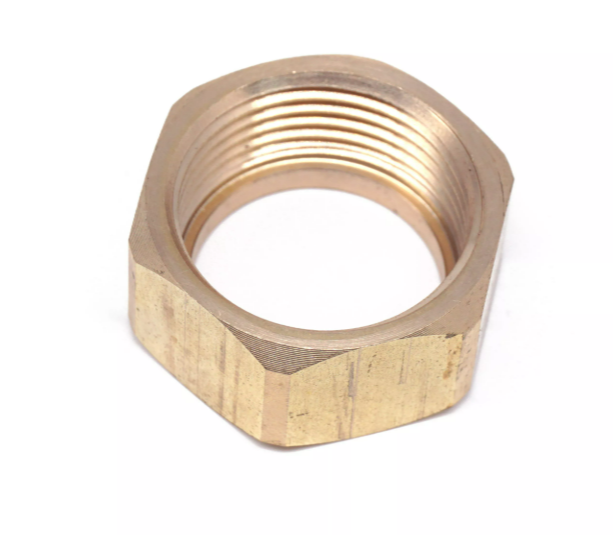
Brass fittings are made from an alloy of copper and zinc. This combination gives brass excellent strength and resistance to corrosion, making it a popular choice in plumbing, HVAC systems, and industrial applications. Brass fittings are durable, long-lasting, and able to handle high pressures and temperatures. Their ability to withstand corrosion in both water and gas systems makes them ideal for critical applications where reliability is a priority.
What is a PVC Fitting?
PVC (polyvinyl chloride) fittings are made from a type of plastic that is widely used in residential plumbing, irrigation, and drainage systems. PVC fittings are lightweight, corrosion-resistant, and easy to handle, making them popular for low-pressure systems. While PVC fittings are not suitable for high-temperature or high-pressure environments, they provide a cost-effective solution for less demanding applications.
Key Properties of Brass Fittings
Brass fittings are known for their durability, strength, and ability to resist corrosion. These fittings can handle high temperatures, pressure fluctuations, and are less prone to wear and tear compared to other materials. Brass is an excellent choice for systems that require robust, long-lasting connections. Brass fittings are also highly resistant to oxidation and mineral buildup, which helps maintain water quality in plumbing systems.
Key Properties of PVC Fittings
PVC fittings are lightweight and offer excellent resistance to corrosion, making them ideal for water exposure and outdoor applications. However, they have limitations in terms of pressure tolerance and temperature resistance. PVC fittings are best suited for systems with lower pressure and temperature demands. While they are easy to install and maintain, they can become brittle over time, especially when exposed to UV rays or high mechanical stress.
Comparing Brass and PVC Fittings: Key Factors
Durability and Lifespan
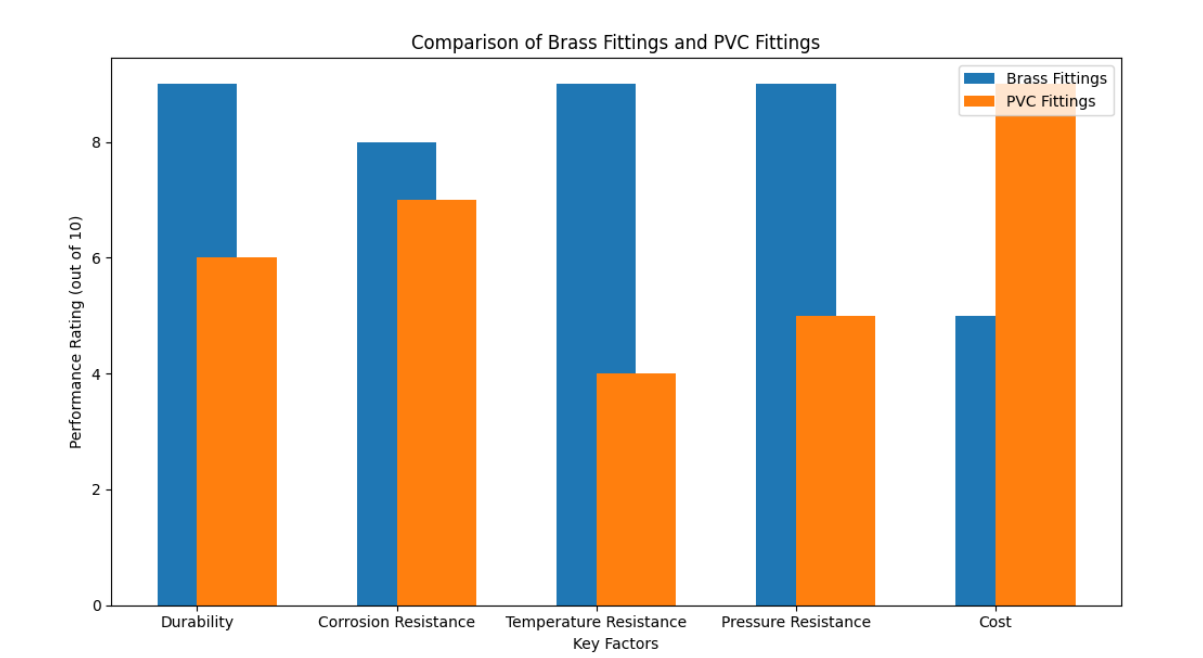
Brass fittings are extremely durable and can last for decades with minimal maintenance. They resist wear and corrosion, maintaining their integrity under harsh conditions. Brass fittings are ideal for long-term applications where reliability is a must.
In contrast, PVC fittings are less durable. They can crack or become brittle when exposed to high pressure or extreme temperatures, which limits their lifespan. PVC is more prone to damage from physical stress and UV degradation, which can shorten its useful life.
Property | Brass Fittings | PVC Fittings |
Durability | Extremely durable | Less durable, can crack |
Corrosion Resistance | High, resistant to rust and wear | Naturally resistant, but vulnerable to UV degradation |
Pressure Resistance | High, ideal for high-pressure systems | Moderate, suitable for low-pressure systems |
Temperature Resistance | Excellent, suitable for high temperatures | Limited, can deform under high temperatures |
Corrosion Resistance
Brass fittings offer superior corrosion resistance, especially in water and gas systems. However, brass can oxidize and develop a patina over time, especially in environments with high humidity or exposure to chemicals. While this oxidation does not compromise the fitting’s strength, it may affect the appearance.
PVC fittings, on the other hand, are naturally resistant to corrosion. They are ideal for use in systems that involve water or non-corrosive chemicals. However, PVC’s resistance to corrosion comes with limitations; UV exposure can degrade the material over time, making it unsuitable for prolonged outdoor use unless adequately protected.
Temperature and Pressure Resistance
Brass fittings excel in high-temperature and high-pressure applications. They are commonly used in systems that involve hot water, steam, or gases under high pressure. Brass maintains its structural integrity under these extreme conditions, making it the preferred material for industrial applications.
PVC fittings, however, are typically used in low-pressure systems and have limited tolerance for high temperatures. When exposed to high heat, PVC fittings can deform, crack, or fail. They are not suitable for hot water or steam systems but work well in cold-water systems and irrigation applications where pressure and temperature are relatively low.
Factor | Brass Fittings | PVC Fittings |
Temperature Range | Up to 400°F (200°C) | Up to 140°F (60°C) |
Pressure Tolerance | High, suitable for industrial | Low to moderate |
Application Suitability | High-pressure, high-heat applications | Low-pressure, cold environments |
Installation and Ease of Use
Brass fittings require more skill and equipment for installation compared to PVC. Installation typically involves threading or soldering, which can be time-consuming and requires specialized tools. This makes brass fittings more suitable for professional installers.
PVC fittings, however, are much easier to install. They are lightweight, and the connection process is typically done by gluing or solvent welding. This makes PVC fittings a popular choice for DIY projects or situations where quick, simple installation is needed.
Cost Comparison
Cost is one of the main differences between brass and PVC fittings. Brass fittings are generally more expensive due to the cost of the alloy and the manufacturing process. However, their durability and longevity make them a cost-effective choice in the long run, especially for high-demand applications.
PVC fittings are much more affordable and are often used in large-scale or residential plumbing systems where the budget is a concern. While PVC fittings come at a lower initial cost, their shorter lifespan and limited resistance to high pressure and temperatures may lead to higher replacement costs over time.
Applications: Where are Brass and PVC Fittings Used?
Ideal Applications for Brass Fittings
Brass fittings are best suited for systems that require durability and resistance to high temperatures and pressures. They are commonly used in plumbing and HVAC systems, including hot water lines, steam systems, and high-pressure gas lines. Brass fittings are also essential in industrial applications that demand reliable performance under challenging conditions.
Ideal Applications for PVC Fittings
PVC fittings are often used in low-pressure systems, such as water supply lines, irrigation systems, and drainage pipes. PVC is also commonly used in residential plumbing systems where heat and pressure are not major concerns. Additionally, PVC’s resistance to corrosion makes it ideal for applications involving non-corrosive liquids or gases.
Application | Brass Fittings | PVC Fittings |
Plumbing | High-pressure water supply lines | Low-pressure systems, drainage |
HVAC | Critical systems, heat exchangers | Not recommended for HVAC |
Industrial Systems | Hydraulic systems, high-demand lines | Irrigation, general low-pressure use |
Residential Use | Hot water, gas systems | Wastewater drainage, vents |
Advantages and Disadvantages of Brass and PVC Fittings
Pros of Brass Fittings
Brass fittings are strong, long-lasting, and highly resistant to corrosion. They can withstand high pressures and temperatures, making them suitable for critical applications. Brass fittings are also more durable in the long term, requiring less maintenance than PVC fittings.
Cons of Brass Fittings
The primary downside of brass fittings is their cost. They are more expensive upfront, which can make them less appealing for budget-conscious projects. Additionally, brass fittings are heavier and more difficult to install, requiring professional expertise.
Pros of PVC Fittings
PVC fittings are affordable, lightweight, and easy to install. They are ideal for low-pressure systems and offer excellent resistance to corrosion. PVC fittings are also suitable for DIY projects due to their simple installation process.
Cons of PVC Fittings
PVC fittings are more susceptible to damage from high pressures and temperatures. They are also vulnerable to UV degradation and can become brittle over time. While PVC is resistant to corrosion, it may not be suitable for systems involving harsh chemicals or extreme conditions.
How to Choose Between Brass and PVC Fittings?
Factors to Consider
When choosing between brass and PVC fittings, it is essential to consider the application requirements, including temperature, pressure, and exposure to chemicals. For high-pressure and high-temperature systems, brass is the superior choice. For budget-friendly, low-pressure systems, PVC may be the more suitable option.
When to Choose Brass Fittings
Brass fittings should be chosen for applications that require high durability, resistance to heat and pressure, and long-term reliability. They are ideal for demanding environments, including industrial systems and high-end plumbing applications.
When to Choose PVC Fittings
PVC fittings are best suited for cost-effective, low-pressure systems that do not require high temperature or mechanical stress. PVC fittings are ideal for residential plumbing, irrigation systems, and other applications where ease of installation and corrosion resistance are the primary considerations.
Conclusion
Brass fittings and PVC fittings each offer distinct advantages depending on the application. Brass fittings excel in durability, temperature and pressure resistance, and corrosion resistance, making them ideal for demanding systems. PVC fittings are affordable, lightweight, and easy to install, making them perfect for budget-conscious projects. Ultimately, choosing between brass and PVC should depend on your system's specific needs. Whether you choose brass or PVC, understanding these differences will help ensure the most appropriate fitting for your plumbing or industrial system.
For reliable and high-quality fittings, consider the offerings from Hanyee, which provide long-lasting performance for various applications.
FAQ
Q: What is the main difference between brass and PVC fittings?
A: Brass fittings are durable, corrosion-resistant, and ideal for high-pressure systems, while PVC fittings are lightweight, cost-effective, and best for low-pressure applications.
Q: Are brass fittings more durable than PVC fittings?
A: Yes, brass fittings offer superior durability and can withstand high temperatures and pressures, making them ideal for demanding applications, unlike PVC fittings.
Q: Why should I choose brass fittings over PVC?
A: Brass fittings are better for high-pressure and high-temperature environments due to their strength and resistance to corrosion, making them a long-lasting choice.
Q: Can PVC fittings handle high-pressure systems like brass fittings?
A: No, PVC fittings are not designed for high-pressure systems. Brass fittings are better suited for such applications due to their robust material properties.
Q: How does the cost of brass fittings compare to PVC fittings?
A: Brass fittings are generally more expensive than PVC fittings. However, their long-lasting durability often makes them more cost-effective in the long run.
Q: Are brass fittings more resistant to corrosion than PVC?
A: Yes, brass fittings have excellent corrosion resistance, especially in harsh environments, whereas PVC fittings are more prone to UV degradation over time.


