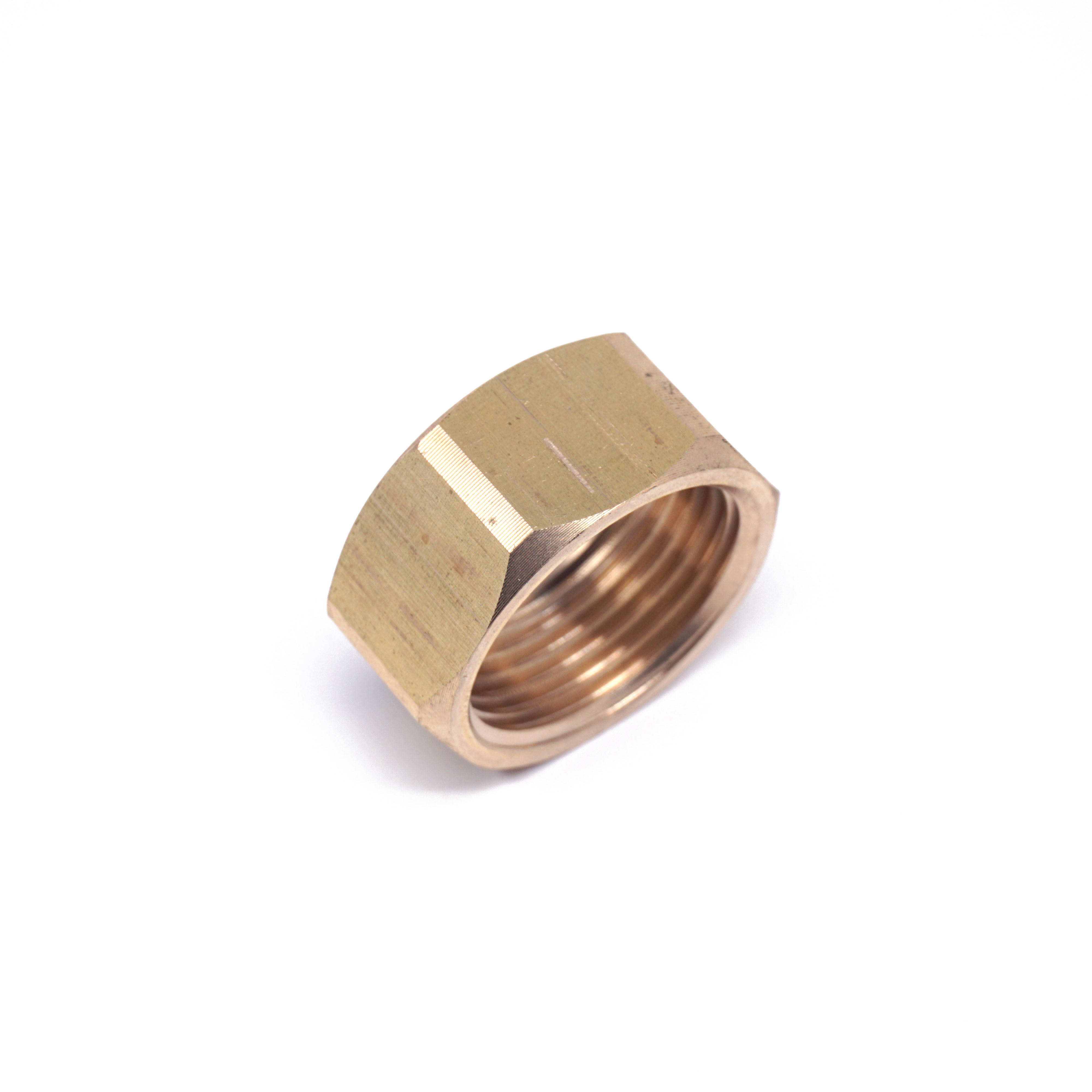
High-volume manufacturing demands a strict and careful balance. Engineers must consistently weigh part precision against production speed and raw material costs. Overlooking this delicate balance severely impacts your profit margins and production timelines. Brass stands as the undisputed standard-bearer for machinability in modern manufacturing. However, simply choosing a generic brass alloy is rarely enough to guarantee success. Selecting the optimal grade and securing the right vendor heavily dictates the ultimate return on investment for your production run. This guide provides technical buyers and engineers with a robust evaluation framework. You will learn the exact criteria needed to specify materials properly. We will show you how to mitigate common machining risks before they occur. Ultimately, mastering these principles empowers you to select a highly capable production partner and ensure absolute project success.
Key Takeaways
Machinability vs. Cost: Brass offers up to 100% machinability rating (e.g., C360), drastically reducing tool wear and cycle times compared to steel, which offsets higher raw material costs.
Grade Selection is Application-Specific: Choosing between grades requires balancing lead content (compliance), tensile strength, and corrosion resistance.
Compliance Matters: Navigating RoHS and REACH regulations is critical when sourcing brass for plumbing, medical, or food-grade applications.
Vendor Capabilities: Evaluating a machining partner requires looking beyond cost per part to their tolerance controls, scrap management, and tooling setups.
Engineers routinely face difficult material selection dilemmas during the early design phases. They often over-specify rigid materials like stainless steel for relatively simple tasks. This specific mistake results in entirely wasted machining time. It also leads to rapidly burned-out cutting tools and unnecessary spindle strain. Conversely, under-specifying materials by choosing soft aluminum can cause severe problems. Soft metals often lead to premature mechanical wear and stripped threads in demanding systems. By designing well-engineered precision brass components, you bridge this dangerous gap effectively.
Specifying brass yields excellent, measurable business outcomes. Consider these defining features and their direct advantages on the factory floor:
High Machinability: Brass handles significantly faster spindle speeds and aggressive feed rates. This structural advantage translates directly into shorter cycle times. Ultimately, you see much lower per-part costs during high-volume production runs.
Low Friction & Tool Wear: The material naturally extends the life of standard CNC cutting tools. You maintain tight dimensional consistency across large batches. Operators do not need to pause machines frequently for tool changes.
Thermal & Electrical Conductivity: Brass excels in rapid energy transfer. It remains absolutely essential for high-performance heat sinks, heavy-duty electrical connectors, and safely grounded components.
Corrosion Resistance: The alloy naturally resists aggressive oxidation. You rarely need to specify secondary surface finishing operations. Bypassing these extra finishing steps streamlines your entire production schedule.
We must acknowledge certain practical limitations to maintain a balanced perspective. Brass is considerably heavier and noticeably more expensive per pound than standard aluminum. You will find it cost-effective only under specific conditions. The substantial savings in machining time must outweigh the steep raw material premiums. Always evaluate your expected batch size carefully before committing to a full production run.
Evaluating and Selecting the Right Brass Grades
Matching your selected material grade to exact mechanical requirements is absolutely crucial. You also must consider the strict regulatory environment surrounding your final product. We use a structured decision framework to evaluate different grades accurately.
C360 (Free-Machining Brass)
Industry experts universally consider C360 the benchmark standard. It boasts a flawless 100% machinability rating across the sector. This supreme workability stems from a roughly 3% lead content, which acts as an internal lubricant. You will find it excellent for high-speed turning and complex milling operations. Common industrial use cases include standard fasteners, intricate gears, and robust non-potable water applications.
C260 (Cartridge Brass)
C260 features a very high zinc composition. It offers excellent cold working characteristics and superior formability properties. However, it provides noticeably lower machinability than the C360 standard. Manufacturers use it extensively for rigorous ammunition casings. You will also see it used for heavy-duty fasteners and specialized components requiring deep drawing processes.
C464 (Naval Brass)
This distinct grade includes carefully added tin. The tin grants superior, long-lasting corrosion resistance. It performs exceptionally well in seawater environments and under elevated temperatures. You should specifically specify C464 for harsh marine hardware and structural propeller shafts.
Lead-Free / Eco-Brass (C27450 / C69300)
Modern global regulations force compliance-aware engineering thinking. You must address vital standards like RoHS, REACH, and the Safe Drinking Water Act. Lead-free alternatives meet these strict requirements flawlessly. However, you must understand the manufacturing trade-offs. These eco-friendly alloys are inherently harder. They increase tool wear significantly and require carefully adjusted CNC feed rates to prevent chatter.
Common Brass Grades and Characteristics
Brass Grade
Primary Characteristic
Machinability Rating
Ideal Applications
C360
Free-machining, contains lead
100% (Baseline)
Gears, non-potable valves, fasteners
C260
High cold workability
30%
Ammunition, deep-drawn parts
C464
Corrosion-resistant, contains tin
30%
Marine hardware, shafts
C27450/C69300
Lead-free, eco-friendly compliance
~70-80%
Potable water systems, medical devices
Key Applications: Where Brass CNC Machining Excels
Mapping specific industries to their ideal brass applications highlights the material's incredible versatility. Certain high-demand sectors rely heavily on its unique combination of strength and workability.
Fluid Control & Plumbing
Brass absolutely dominates modern fluid control systems. Manufacturers use it daily for high-pressure industrial valves and complex distribution manifolds. It remains the premier choice for manufacturing durable brass fittings. These demanding plumbing applications require exceptionally tight thread tolerances. Achieving strict dimensional tolerances prevents catastrophic fluid leaks under fluctuating pressure.
Electrical & Electronics
Electrical engineers value brass highly for sensitive infrastructure. Critical terminals, communication connectors, and heavy-duty switch components leverage its non-magnetic properties. Its excellent conductive traits ensure reliable, uninterrupted signal transmission across telecommunication networks.
Automotive & Aerospace
The global transportation sector demands unwavering reliability. Engineers specify brass for critical fluid sensors and rugged mechanical housings. You will frequently encounter highly customized CNC turned brass parts in automotive assemblies. These specialized components provide necessary spark resistance and long-term durability under heavy vibration.
Alternative Approaches (When Not to Use Brass)
You should remain highly objective during any material selection process. Brass is not always the correct answer. If your specific design faces extreme friction loads, specify bronze for bearings instead. Bronze handles heavy wear better. If the component endures harsh, acidic chemical exposure, stainless steel greatly outperforms brass. Stainless steel also provides superior extreme structural strength. Choose wisely based on the exact environmental stressors your part will face.
Implementation Realities and Machining Considerations
Engineers must actively account for strict technical challenges early in the process. Addressing adoption risks during the initial design and prototyping phases saves substantial money later.
Tooling and Coolant Strategy
Precise tool selection dictates your final surface finish. Machinists strongly prefer high-speed steel (HSS) or premium carbide tools. They maintain remarkably sharp cutting edges against the softer alloy. Coolants play a crucial role during this exact process. Brass tends to produce small, splinter-like chips rather than long, continuous metal coils. High-pressure coolants clear these small chips rapidly from the cutting zone. This fluid action prevents dangerous recutting and actively protects the delicate tool geometry.
Design for Manufacturability (DFM)
You must fully respect brass's relative softness compared to carbon steel. Implement strict engineering guidelines on minimum wall thickness. Avoid specifying overly deep internal threads or unsupported undercut designs. Thin metal walls distort very easily under standard clamping pressure. Robust DFM practices prevent this costly part distortion before production even begins.
Tolerance Capabilities
Set transparent assumptions regarding achievable dimensional tolerances. Precision CNC machines achieve remarkable, repeatable accuracy. You can typically expect working tolerances up to ±0.005mm. Naturally, this precision depends heavily on machine rigidity and your specific part geometry. Communicate these capabilities clearly to your quality assurance team to avoid inspection disputes.
Shortlisting a Brass CNC Machining Service Partner
Vetting a contract manufacturer requires strict, objective evaluation criteria. You need actionable data for critical bottom-of-funnel decision-making. Finding a truly reliable brass CNC machining service protects your entire supply chain.
Scrap & Material Management: Brass remains highly recyclable. Does the vendor actively factor scrap resale value into your final quote? Good machine shops implement swarf recycling programs to lower your overall unit costs directly.
Quality Assurance & Compliance: Always verify their active ISO 9001 certifications. Request detailed CMM (Coordinate Measuring Machine) inspection reports from previous jobs. Demand strict material traceability documentation, especially when handling lead-free compliance requirements.
Equipment Capabilities: Evaluate their entire machine park thoroughly. Multi-axis Swiss turning centers handle complex geometries in a single setup far better than standard 3-axis milling machines. Ensure they possess the right automated equipment to handle your exact volume.
Next-Step Action
Take proactive steps when officially requesting a quote. Provide clean 3D CAD files alongside fully detailed 2D drawings. Specify your exact material grade and tolerance requirements clearly. Always request formal DFM feedback from the machinist before authorizing the very first production run.
Conclusion
Consistent success in brass machining relies on precise engineering intersections. You must combine proper grade selection with optimized CNC parameters and incredibly strict quality control.
Prioritize standard C360 for maximum cutting speed, but pivot safely to C69300 if modern environmental regulations demand lead-free components.
Always factor in scrap reclamation values when calculating long-term production costs.
Align your chosen vendor’s technical machine capabilities with your specific geometric complexity to prevent bottlenecks.
Take action today to optimize your next major production run. Submit your technical drawings to an expert engineering team for a comprehensive DFM review. Contact a qualified machining group to discuss exact material selection tailored perfectly to your application.
FAQ
Q: What factors drive up the cost of brass CNC machining?
A: Several variables increase costs significantly. Complex geometries requiring advanced 5-axis machines demand higher hourly rates. Extremely strict dimensional tolerances slow down cycle times and increase inspection burdens. Furthermore, specifying rare, specialized, or lead-free brass grades increases your initial raw material expenses.
Q: Can CNC machined brass parts be surface finished?
A: Yes, they absolutely can. Common secondary finishes include bright nickel plating, chrome plating, or clear passivation. These treatments add vital protection or improve aesthetics. However, raw machined brass is often naturally sufficient for many hidden internal applications.
Q: How does the machinability of brass compare to aluminum?
A: Brass C360 is generally faster to machine. It consistently leaves a superior, smoother surface finish. However, aluminum is much lighter and notably cheaper by volume. Your final decision depends entirely on the application's strict weight restrictions and sheer strength requirements.