Introduction
Flanged bushings play a vital role in reducing friction and ensuring smooth motion in mechanical systems. But how do you choose the right material for optimal performance? In this article, we will compare different materials used for flanged bushings and explore their unique benefits and applications. You will gain valuable insights on how to select the best bushing material for your needs.
Understanding Flanged Bushings
What is a Flanged Bushing?
A flanged bushing is a cylindrical bearing component with a flange on one end. The primary purpose of this design is to provide stability and prevent axial movement within a housing. Flanged bushings are typically used in mechanical systems where parts need to move smoothly while also handling radial and axial loads.
Flanged bushings consist of two main parts: the cylindrical sleeve (or bushing) and the flange. The cylindrical sleeve allows a shaft to rotate smoothly, while the flange ensures the bushing stays in position, preventing axial displacement. This makes them ideal for applications where the movement of components must be confined within a specified range.
The Function of the Flange
The flange serves as an essential feature in flanged bushings. It acts as a stop to prevent axial movement, providing support and stability for the bushing. This prevents the shaft from shifting along its axis, which could lead to premature wear or failure of the machinery. The flange also simplifies the assembly process by securely positioning the bushing within the housing, ensuring proper alignment without the need for additional retaining components.
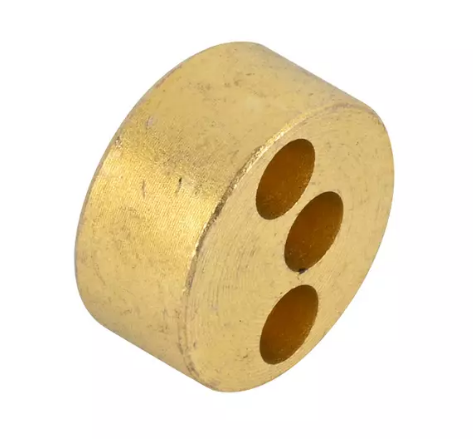
Comparing Flanged Bushing Materials
Steel Flanged Bushings
Steel is a popular material for flanged bushings due to its strength, durability, and resistance to wear. Steel flanged bushings can handle high radial and axial loads, making them suitable for heavy-duty applications. Their ability to withstand extreme pressures and abrasive conditions makes them ideal for use in construction machinery, industrial presses, and heavy-duty automotive systems.
Steel flanged bushings are also capable of operating in environments with fluctuating temperatures, though they require proper lubrication to reduce friction and prevent wear. Additionally, they are prone to corrosion, so it is essential to consider protective coatings or alloys like stainless steel for applications where corrosion is a concern.
Bronze Flanged Bushings
Bronze flanged bushings are known for their excellent wear resistance and ability to handle high loads. They are commonly used in automotive, industrial, and aerospace applications, where both radial and axial load support is needed. Bronze bushings provide superior lubrication properties, often being self-lubricating due to their porous structure that can absorb lubricants like oil.
These bushings are also resistant to corrosion and can operate in harsh environments, making them ideal for use in marine, automotive, and heavy industrial machinery. However, bronze bushings can be more expensive than other materials and may require more maintenance to ensure optimal performance.
Plastic and Composite Flanged Bushings
Plastic and composite materials, such as PTFE, PEEK, and UHMWPE, are lightweight alternatives to metal bushings. These materials are often used in applications where weight reduction is important or where metal bushings would be prone to corrosion or require excessive lubrication. Plastic flanged bushings are resistant to chemicals, corrosion, and wear, making them suitable for environments exposed to harsh chemicals or contaminants.
The primary advantage of plastic bushings is their low friction coefficient, which reduces wear and extends the lifespan of the components they support. However, they are generally not suitable for high-load or high-temperature applications due to their relatively low strength compared to metals. These bushings are best for light-duty applications in industries such as food processing, packaging, and pharmaceuticals.
Custom Bushing Materials
In many cases, a one-size-fits-all approach may not meet the unique demands of specific applications. Custom flanged bushings are tailored to meet the exact material and performance requirements of a given system. Custom materials might combine metals with polymers or utilize advanced composites designed to handle extreme environments, high loads, or specialized operational conditions.
The key benefit of custom flanged bushings is their ability to provide precise solutions for specific needs. For instance, custom bushings can be designed with enhanced temperature resistance, improved wear resistance, or the ability to operate in high-vibration environments. These bushings offer extended service life and reduced maintenance costs, particularly in industries like aerospace, automotive, and manufacturing, where standard materials may not suffice.
Material | Strength | Wear Resistance | Load Capacity | Corrosion Resistance | Best Application |
Steel | High | High | High | Moderate | Heavy machinery, construction |
Bronze | Moderate | High | High | Excellent | Automotive, industrial machinery |
Plastic/Composite | Low | Moderate | Low | Good | Low-speed, low-load applications |
Custom Materials | Varies | Varies | Varies | Varies | Specialized, custom environments |
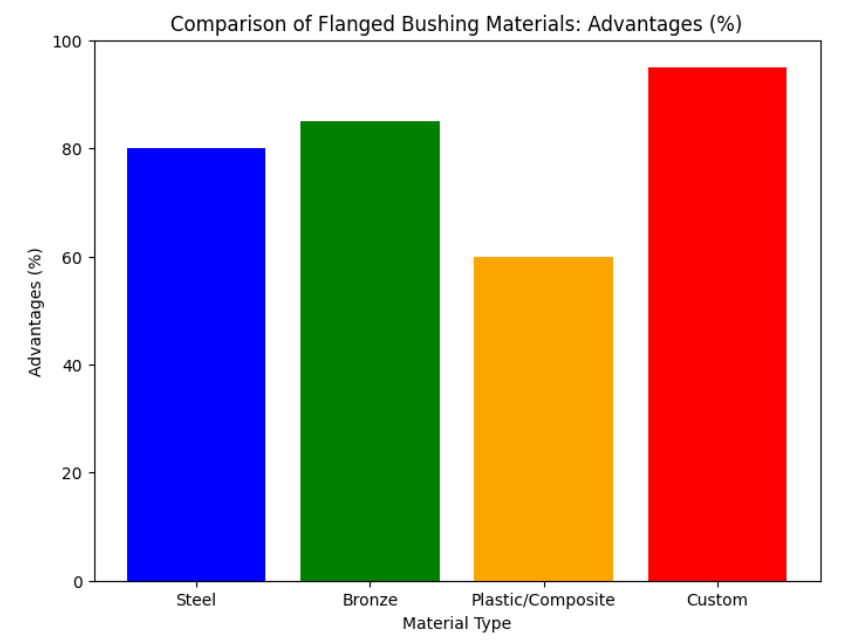
How to Choose the Right Flanged Bushing Material
Load Capacity and Performance
When selecting a material for flanged bushings, it is important to consider the load capacity required for the application. Materials like steel and bronze are ideal for high-load applications, while plastics or composites are more suitable for lighter loads. Custom bushings can be designed to handle specific load requirements that standard materials may not be able to manage.
The material’s performance should match the specific needs of the system, ensuring that the bushing can handle both radial and axial loads efficiently without premature failure.
Temperature and Environmental Considerations
The operating temperature and environmental conditions play a significant role in material selection. For instance, high-temperature environments demand materials that can withstand elevated temperatures without losing their structural integrity. Materials like PEEK and PTFE are excellent choices for high-temperature applications, while metals like steel or bronze can handle moderate temperatures.
Additionally, exposure to chemicals, moisture, and extreme conditions should influence the decision. Materials like plastic and composite bushings are more resistant to corrosion and chemical exposure, making them ideal for industries such as food processing, chemical manufacturing, and pharmaceuticals.
Maintenance and Durability
Maintenance requirements and durability are crucial factors in material selection. Metal bushings, such as steel and bronze, often require periodic lubrication to maintain performance, whereas self-lubricating materials like PTFE and PEEK reduce the need for ongoing maintenance. Custom bushings can be engineered to offer the right balance of durability and ease of maintenance, minimizing downtime and maintenance costs in high-demand environments.
Applications of Flanged Bushings Across Industries
Automotive Industry
In the automotive industry, flanged bushings are widely used in suspension systems, engine mounts, and steering components. Steel and bronze bushings are particularly popular due to their ability to support heavy loads and reduce wear in high-stress environments. Additionally, plastic flanged bushings are often used in lightweight applications like fuel systems or interior components.
Aerospace Industry
Flanged bushings play a critical role in the aerospace industry, particularly in landing gear systems, actuators, and control surfaces. These applications require bushings that can withstand high stresses and extreme temperatures. Bronze and steel bushings are commonly used in these systems due to their durability and ability to operate in harsh environments.
Industrial Applications
Flanged bushings are essential in industrial machinery such as conveyors, pumps, and compressors. Materials like steel and composite bushings are ideal for supporting heavy loads and reducing friction in industrial equipment. These bushings ensure smooth operation, reduce maintenance costs, and improve the longevity of machines.
Agricultural Machinery
Agricultural machinery, such as hydraulic systems, tillers, and harvesters, relies on durable and high-performance bushings. Flanged bushings made from steel and bronze are well-suited to handle the high loads and rugged conditions typically found in agricultural applications. Custom bushings can also be tailored to meet specific performance requirements, ensuring optimal operation even in demanding environments.
Advantages and Disadvantages of Flanged Bushing Materials
Benefits of Steel and Bronze Flanged Bushings
Steel and bronze materials provide excellent strength, wear resistance, and load-bearing capacity. These materials are suitable for high-load, high-temperature applications and environments exposed to corrosive elements. They offer long-lasting durability and reliability, making them ideal for heavy-duty machinery.
Drawbacks of Plastic Flanged Bushings
While plastic bushings are lightweight, cost-effective, and resistant to chemicals, they are not suitable for high-load or high-temperature applications. Their wear resistance can be limited in demanding environments, and they may need to be replaced more frequently than metal bushings in certain conditions.
Why Custom Flanged Bushings Are Worth the Investment
Custom flanged bushings provide tailored solutions to meet the unique needs of specific applications. These bushings offer superior performance, longevity, and reduced maintenance costs, particularly in industries requiring specialized performance characteristics. While they may come at a higher initial cost, their long-term benefits make them a valuable investment.
Material | Advantages | Disadvantages |
Steel | High strength, wear resistance, long lifespan | Prone to rust without proper coating |
Bronze | Corrosion-resistant, good for heavy loads | Heavier, more expensive |
Plastic/Composite | Lightweight, cost-effective, chemical resistant | Limited load capacity, less durable |
Custom Materials | Tailored performance, extended lifespan | Higher cost, custom design needed |
Conclusion
Selecting the right flanged bushing material is vital for optimal performance and longevity. Whether opting for standard materials like steel and bronze or custom bushings, understanding each material's benefits and limitations is key. With the right material, you can reduce maintenance costs, enhance performance, and extend machinery lifespan. Hanyee's custom bushing solutions offer tailored materials for unique applications, providing reliable performance and durability for various industries.
FAQ
Q: What is a flanged bushing and how does it work?
A: A flanged bushing is a cylindrical bearing with a flange on one end. It helps prevent axial movement and supports load distribution in machinery.
Q: What materials are commonly used for flanged bushings?
A: Flanged bushings can be made from steel, bronze, plastics, and composites. Each material offers different benefits, like wear resistance or lightweight properties.
Q: Why should I choose custom bushings for my application?
A: Custom bushings are designed to meet specific needs, offering enhanced performance, durability, and longer lifespan for unique applications.
Q: What are the advantages of using steel flanged bushings?
A: Steel flanged bushings offer high strength, load capacity, and wear resistance, making them ideal for heavy-duty applications like construction machinery.
Q: How do I choose the right material for flanged bushings?
A: Consider factors like load capacity, environmental conditions, and maintenance needs. Custom bushings can be tailored for optimal performance in specific environments.


