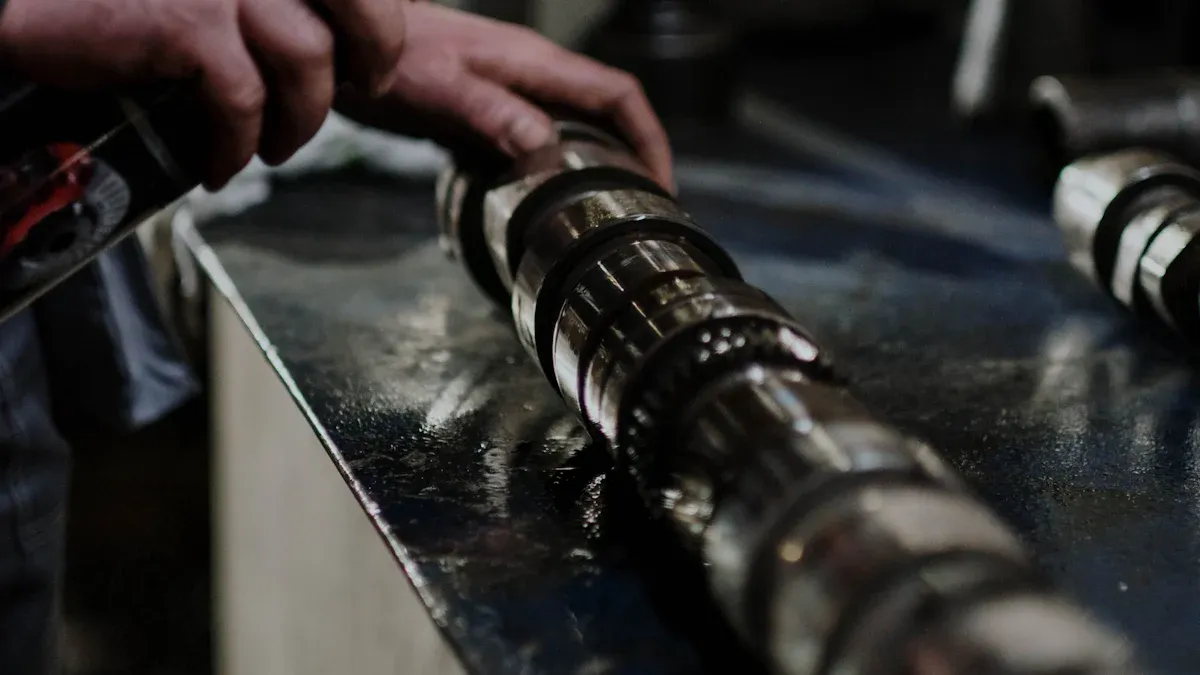
Choosing the right flanged bushing material affects how machines work. Each material has special benefits. Some last longer, some cost less, and some do not rust. New trends help people pick materials:
Self-lubricating flanged bushings need less care. They help machines run longer and better.
Materials like PTFE composites, graphite-impregnated bronze, and metal-polymer bushings have built-in lubrication. They work well with heavy loads and high heat.
These new ideas help bushings last longer. They also let machines be smaller and work better.
Picking the best bushings helps factories work well for a long time.
Key Takeaways
Picking the right flanged bushing material helps machines work better and need less fixing. Self-lubricating bushings like graphite bronze and metal-polymer do not need much care and last a long time. Bronze and steel bushings can take heavy weight and high heat, so they are good for hard jobs. Plastic bushings do not rust, are light, and do not need much care, but they are best for lighter jobs. Think about weight, speed, where it will be used, and price when picking bushings to get the best use and longest life.
Material Differences
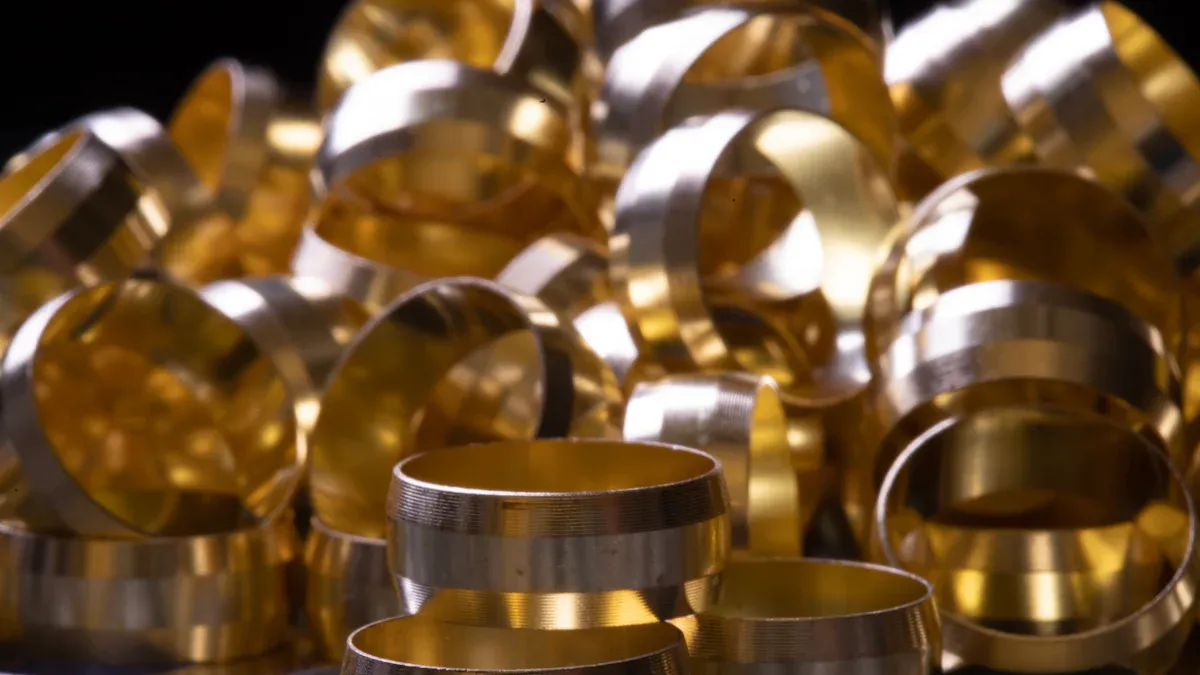
Properties Overview
Flanged bushing materials are not all the same. Each type has special strengths for factories. The table below shows how bronze alloys compare:
Property | CuSn8P (Phosphorus-containing) | CuSn6.5 (No Phosphorus) |
Chemical Composition | Copper 91.5-93.5%, Tin 6.0-8.0%, Phosphorus 0.03-0.35% | Copper 91.5-93.5%, Tin 5.5-7.0%, No phosphorus |
Density | 8.9 g/cm³ | 8.8 g/cm³ |
Tensile Strength | 340-490 MPa | 310-450 MPa |
Yield Strength | 140-400 MPa | 100-400 MPa |
Elongation | 5-20% | 10-25% |
Hardness | 90-120 HB | 75-110 HB |
Corrosion Resistance | Good in most environments | Good in most environments |
Machinability | Good | Good |
Typical Uses | Bearings, bushings, gears, high-load applications | Similar uses but with slightly lower load capacity |
CuSn8P has phosphorus. This makes it stronger and harder. It also helps it last longer. It can handle tough jobs and heavy loads. Lubrication pockets or holes help oil spread. This lowers friction and helps bushings work better. These features mean less fixing is needed, even in rough places.
Plastic bushings like PTFE, PEEK, UHMW PE, PPS, and nylon have their own benefits. PTFE bushings do not rust and slide easily. But they wear out faster than metal ones. PEEK bushings work well in hot and wet places. They are tough and resist chemicals. UHMW PE bushings are great at fighting wear and rust. They are good for jobs needing little friction. PPS bushings keep their shape when hot or in chemicals. Nylon bushings cost less and last long. But they do not do well in sunlight or wet places.
Graphite bronze bushings can oil themselves. They hold heavy loads and do not wear out fast. These bushings are good for hard jobs and need less care. Oil-impregnated bronze bushings use tiny holes to spread oil. This lowers friction and wear. They keep their shape when hot or under pressure. They also help stop machines from getting too hot.
Industrial Suitability
Factories need bushings that fit their machines. Big machines, cars, boats, and building tools need bushings that are strong and do not wear out or rust.
Solid bronze bushings made from CuSn7Zn4Pb7-B are strong. They work well with heavy loads. Their mix of metals makes them tough and easy to shape. These bushings last a long time and need less fixing.
PTFE-lined steel bushings are good for heavy jobs. The PTFE layer helps them slide and protects the steel. These bushings are used in cars, planes, and boats. They are easy to size and keep torque steady.
Oil-impregnated bronze bushings are best for places with lots of heat or chemicals. They oil themselves and stay cool. They work well in chemical plants and on ships.
Plastic bushings are good when weight and rust matter more than strength. PEEK and UHMW PE bushings work well in wet or chemical places. PTFE bushings are best where sliding and rust are problems, but not for heavy loads.
Graphite bronze bushings are great for tough jobs. They oil themselves and last long. They are used in mining, farming, and building.
Tip: Pick bronze or PTFE-lined steel bushings for tough jobs. Use plastic bushings like PEEK or UHMW PE when you need light weight and rust protection.
Flanged Bushing Types
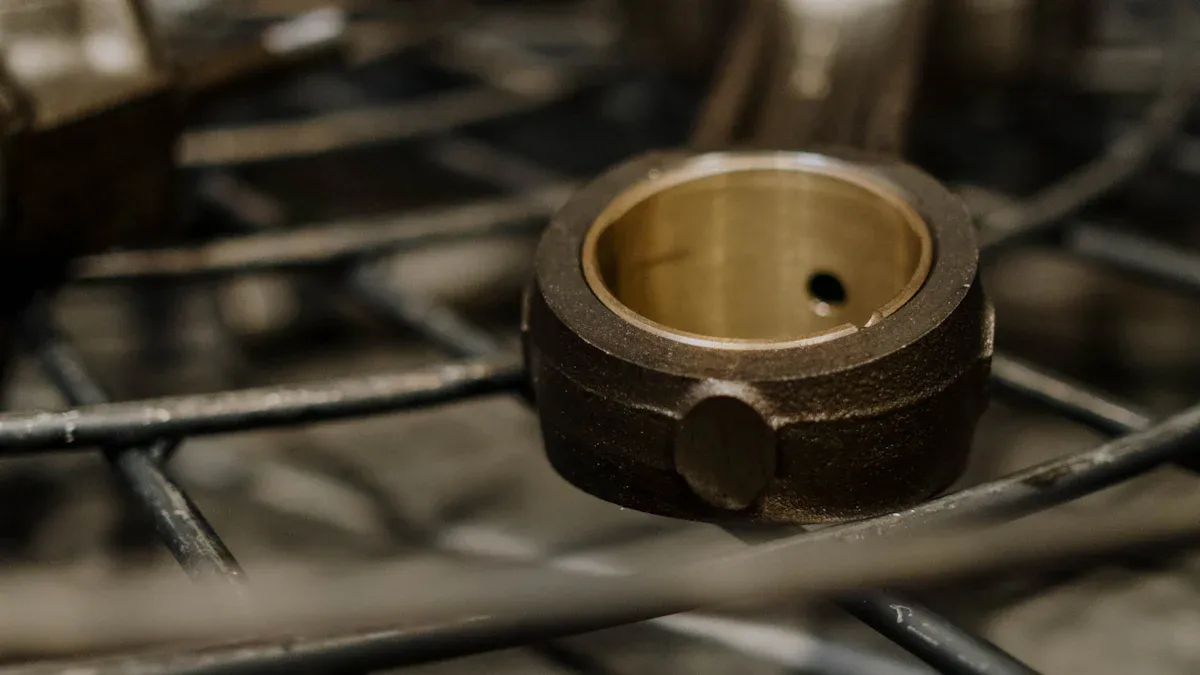
Bronze
Bronze bushings do not rust easily. They work well in wet or harsh places. These bushings can handle high heat because they move heat away fast. They last a long time, even with lots of rubbing and heavy weight. You can make them into many shapes. The flange helps keep the bushing in place and stops it from moving sideways. Bronze bushings help soak up shocks and shaking, so machines are quieter. People use them in cars, pumps, gearboxes, and big trucks. Some bronze bushings can oil themselves. There are many kinds of bronze alloys. Bronze can be used again, so it is good for the planet. They work well and are not too expensive. But, bronze bushings cost more than some other types. They are heavier than plastic bushings. Making them can be hard. Oil-filled bronze bushings are not good for very heavy loads or dirty places.
Bronze bushings are still a great pick for big machines. They last long and help hold heavy loads.
Brass
Industry | Typical Applications | Key Benefits and Suitability |
Automotive | Suspension systems, steering components, transmission systems | Self-lubrication, reduced friction, wear resistance, high load capacity |
Construction | Heavy-duty machinery used in construction and mining | High strength, durability, suitable for heavy loads |
Agriculture | Tractors, plows, harvesting equipment | Self-lubricating, ideal for harsh conditions and low maintenance |
Industrial Machinery | Conveyor systems, pumps, gearboxes | Low friction, corrosion resistance, high performance |
Aerospace | Control systems, landing gear, engine components | High strength, low weight, corrosion resistance |
Marine | Boat steering systems, propulsion systems | Corrosion resistance, withstands harsh marine environments |
Steel
Steel bushings can hold very heavy loads and take hard hits. Hard steel bushings are best for mining and building machines. They work better than non-metal bushings for tough jobs. Steel bushings keep their shape even when pushed hard. But, they can rust if not coated. They are also heavier than plastic bushings, so machines use more energy. People use steel bushings in mining, building, and big presses.
Sintered Bronze
Sintered bushings have tiny holes filled with oil. The oil comes out when the bushing moves, so it stays oiled. When the load is gone, the oil goes back inside. This keeps the bushing and shaft from wearing out fast. You do not need to add much oil, so fixing is easy and quick. The flange makes them easy to put in and helps them hold more weight. Sintered bushings work well in many places. People use them in car parts, machines, and home tools. They last long, do not rust, and are not too costly. They work at many speeds and temperatures. But, they are not good for very heavy loads or slow jobs with little oil.
Plastic
Aspect | Plastic Flanged Bushings | Metal-Based Bushings (e.g., Bronze) |
Cost | More cost-effective long-term due to low maintenance and self-lubrication | Higher initial and maintenance costs due to lubrication needs |
Durability | Excellent wear resistance, corrosion and chemical resistant, self-lubricating, withstands moderate heat (up to ~482°F long-term) | Stronger under heavy loads and high temperatures, but requires regular lubrication and can wear faster in abrasive environments without it |
Maintenance | Minimal, no grease required | Requires oil or grease application at installation and during operation |
Weight | Lightweight, reducing energy costs in dynamic systems | Heavier, potentially increasing energy consumption |
Application Suitability | Suitable for many industries including agricultural, medical, fitness equipment, pumps, valves | Preferred for low-speed, high-load or high-speed, low-load industrial applications such as iron and steel manufacturing, food processing, valves, automobiles |
Plastic bushings do not rust or get hurt by chemicals. They are light, so machines use less energy. They do not need much care and work without grease. Special plastic bushings last longer and can take some heat. But, they are not as strong as metal bushings. They can bend if it gets too hot or if used for a long time. People use them in farm tools, medical gear, gym machines, pumps, and valves.
Plastic bushings are a cheap choice for light, rust-proof parts.
Composite
Composite bushings have a steel base, a bronze layer, and a plastic top. They do not need oil because the top layer is slippery. The plastic top keeps things moving smoothly and helps them last longer. They are tough and work well in places that wear out fast. They can take hot and cold and do not get hurt by chemicals. The steel base makes them strong and able to hold weight. Composite bushings spread out the weight and last in rough places. People use them in big machines, cars, planes, and chemical plants. They also go in hydraulic parts and building machines. They lower noise and take shocks well. You can get them in many sizes and shapes. They save money over time. But, they cost more at first than metal bushings. They are not good for super fast or very heavy jobs.
Graphite Plugged Bronze
Graphite plugged bronze bushings have black plugs that give oil all the time. This keeps them smooth and stops them from wearing out. They work well where you cannot add oil, like in heavy or slow jobs. The graphite helps them last longer and work better in hard places. You do not need to oil them often. This saves money and time. They are strong and do not rust, so you do not have to replace them much. You should still check them sometimes, but they do not need much care. The flange helps keep them in place and spreads out the weight. People use them in mining, building, and big machines.
Rubber
Rubber Type | Key Properties | Industrial Suitability and Uses |
Natural Rubber | High elasticity, tear and fatigue resistance | Shock absorption in vehicle suspensions and mounts |
Styrene Butadiene (SBR) | Durable, abrasion resistant, flexible | Heavy-duty mounts, vibration isolators, automotive suspension |
Nitrile Butadiene (NBR) | Oil, gasoline resistant, good tensile strength | Automotive bushings exposed to oils, hydraulic seals |
Silicone Rubber | Temperature stable (-60°C to +200°C), UV and ozone resistant | Medical devices, food machinery, outdoor harsh environments |
EPDM, Neoprene | Weather, chemical, and heat resistant | Outdoor equipment, electrical enclosures, industrial valves |
Rubber bushings soak up shocks and shaking, so machines run quietly and smoothly. They bounce back well and keep working after many hits. The flange helps them stay in place and spread out the pressure. Rubber bushings are better at stopping shakes than polyurethane ones, so they are quieter. But, they do not last as long and can wear out. They are softer than polyurethane bushings. People use rubber bushings in car suspensions, engine mounts, planes, factories, and building tools.
Metal-Polymer
Metal-polymer bushings have a metal base and a plastic layer. They oil themselves, so they do not wear out fast. The metal base keeps them strong and able to hold weight. The plastic layer helps them last longer and lowers shaking. These bushings can take medium to heavy loads, some heat, and normal speeds. The flange lets them hold weight from the side and keeps them in place. They last long, slide easily, and do not wear out fast. They are good for tough jobs and places with dirt. They do not need care and do not rust. They can take chemicals and heat. People use them in cars, planes, farm tools, food machines, boats, and many other machines.
Comparison Table
Properties
Picking the right flanged bushing material is important. Each material has its own good points. These help in different factory jobs. The table below shows how common bushing materials compare:
Material Type | Wear Resistance | Load Capacity | Corrosion Resistance | Maintenance Needs | Temperature Range | Lubrication |
Bronze | Excellent | High | Good | Moderate | High | Required |
Brass | Good | Moderate | Good | Moderate | Moderate | Required |
Steel | Excellent | Very High | Poor (unless coated) | Moderate | Very High | Required |
Sintered Bronze | Good | Moderate | Good | Low | Moderate | Self-lubricating |
Plastic (PTFE, PEEK) | Good | Low-Moderate | Excellent | Very Low | Moderate-High | Self-lubricating |
Composite | Very Good | High | Very Good | Low | High | Self-lubricating |
Graphite Plugged Bronze | Excellent | High | Good | Very Low | High | Self-lubricating |
Rubber | Low | Low | Excellent | Low | Moderate | Not needed |
Metal-Polymer | Very Good | Moderate-High | Very Good | Very Low | High | Self-lubricating |
Note: Self-lubricating bushings help machines last longer. They also cut down on fixing time, especially in hard-to-reach spots.
Applications
Different jobs need bushings with special features. Things like weight, speed, heat, and chemicals matter when picking a material. The table below matches job needs with the best materials:
Application Requirement | Material Type | Key Material Properties Influencing Selection |
High Load | Bronze, Steel | Strong and tough; do not wear out fast; good for heavy work. |
High Temperature | Steel, Bronze, PEEK | Can take a lot of heat; PEEK is a plastic that works in hot places. |
Low Friction / Dry Running | PTFE, PEEK, Composite | Slide easily; do not need oil; great for dry or wet places. |
Chemical Resistance | PTFE, PEEK | Stand up to chemicals; best for wet or harsh places. |
Moderate to High Speed | Metal-Polymer Composite | Mix metal strength with smooth sliding; good for fast machines. |
Axial Load / Movement Control | Flanged Bushings (all types) | Flange helps with side-to-side force; material must handle moving parts. |
Wear Resistance | Bronze, Composite | Do not wear out fast; composites last long and need less fixing. |
Moisture Resistance | PTFE, PEEK, Composite | Do not get hurt by water; good for outside or boats. |
Cost Considerations | Brass, Bronze, Plastic | Brass and plastic cost less; fancy plastics and composites cost more but need less care. |
Engineers pick flanged bushing materials by matching these features to what the job needs. For example, steel and bronze bushings are best for big machines. PTFE and PEEK work well where there are chemicals or water. Composite and metal-polymer bushings give a mix of strength, easy sliding, and little upkeep.
Selection Factors
Load and Speed
Engineers pick flanged bushing materials based on load and speed. The pressure velocity (PV) value mixes force and speed together. This number must stay under the safe limit from the maker. Bronze bushings can take heavy loads and high heat. They are good for slow jobs with lots of pressure. Plastic bushings do not rust and need little care. But they cannot hold heavy loads. When machines go faster, bushings cannot hold as much weight. For fast machines, metal-polymer or composite bushings work best. The table below lists important things to check:
Factor | Description |
Pressure Velocity (PV) | Mixes load and speed; must stay under safe limits |
Heat Resistance | Handles friction and high heat |
Load Capacity | Most weight the bushing can hold |
Lubrication | Self-lubricating bushings need less care |
Tip: Always check the PV number and heat limit before picking a bushing.
Environment
Where the bushing works changes how well it lasts. High heat makes rust and wear happen faster, especially with strong chemicals. Bronze bushings can handle some chemicals and water. But salty or dirty water can hurt them. Acids and alkalis damage bronze quickly. Bimetal bushings or special plastics are better for tough chemical places. Lubricants help bushings last longer, but you must use the right kind.
High heat and wet air make bushings wear out faster.
Strong chemicals break bushings down more quickly.
Bimetal and plastic bushings work well in harsh places.
Maintenance
How much care a bushing needs depends on its type. Self-lubricating bushings, like some plastics or bronze with graphite, need little or no extra oil. These bushings save money and time on fixing. Many bronze bushings have oil inside or special grooves. Most self-lubricating bushings just need to be checked sometimes, not oiled often. This makes them good for hard-to-reach spots or machines that run all day.
Self-lubricating bushings need less care.
Bronze bushings with oil or graphite last longer.
Most care is just simple checks.
Cost
Cost is important when picking a material. Carbon steel bushings are cheap but need a coating to stop rust. Stainless steel costs more but lasts longer in tough places. Bronze bushings cost a medium amount and wear well. Plastic bushings, like PTFE or nylon, are cheap and good for light jobs. But they do not last long with heavy loads. Buyers should think about price, quality, and what the job needs. For big projects, the right choice saves money over time.
Carbon steel: cheap, needs coating
Stainless steel: costs more, best for tough places
Bronze: medium price, good for many jobs
Plastic: cheapest, best for light work
Note: The best deal comes from matching cost, performance, and care needs.
Picking the right flanged bushing material depends on how much weight it holds, how fast it moves, where it works, and how much care it needs. People should match the material’s features to what the job needs for the best results.
Look at technical datasheets before you choose.
Ask trusted suppliers for help and advice.
Watch for new ideas and self-lubricating choices in 2025.
Good choices now help machines last longer and save money later.
FAQ
What is the main benefit of self-lubricating flanged bushings?
Self-lubricating bushings need less fixing. They help machines work longer without adding oil often. These bushings are good for places that are hard to reach. They also help stop machines from breaking down.
How does temperature affect bushing material choice?
High heat can make some materials weaker. Bronze and PEEK bushings can handle heat better than nylon or rubber. Engineers pick materials by looking at how hot the machine will get.
Can plastic bushings replace metal bushings in heavy-duty machines?
Plastic bushings are best for light or medium jobs. They do not rust and need little care. For heavy loads or strong hits, metal bushings like bronze or steel work better.
Why do some bushings have a flange?
A flange keeps the bushing in place when working. It helps control movement from side to side. The flange spreads out the weight. This makes the bushing last longer and stay steady.
How do engineers decide which bushing material to use?
Engineers match the material to what the job needs. They check how much weight, speed, heat, and the place where it works. They also look at cost and how much fixing is needed. They use datasheets and ask suppliers for help before picking.


