Introduction
Brass fittings are commonly used in plumbing, but are they safe for drinking water? This question raises concerns, especially about the presence of lead in brass alloys. In this article, we'll examine the safety of brass fittings for potable water, exploring the risks, benefits, and regulations involved. You'll learn about lead-free alternatives and best practices for using brass fittings in drinking water systems.
What Are Brass Fittings?
Definition and Composition of Brass
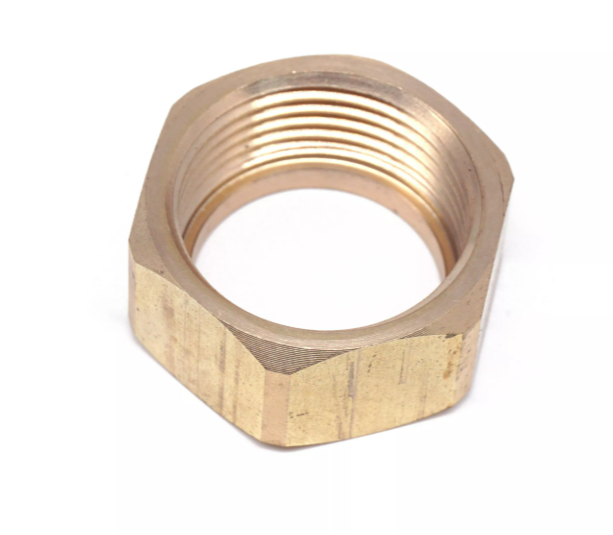
Brass fittings are made from an alloy of copper and zinc, which gives them a combination of strength, durability, and resistance to corrosion. Some brass alloys may also contain small amounts of other metals like lead, nickel, or tin, depending on the intended application. The composition of brass determines its strength and corrosion resistance, which is why it is commonly used in plumbing systems. While brass fittings are highly durable, the lead content in some older or cheaper brass alloys has raised concerns regarding their use in drinking water systems.
Component | Percentage (%) |
Copper (Cu) | 57-60% |
Zinc (Zn) | Remainder |
Lead (Pb) | Up to 2.2% |
Nickel (Ni) | ≤ 0.1% |
Tin (Sn) | ≤ 0.3% |
Common Uses of Brass Fittings
Brass fittings are commonly used in plumbing systems, HVAC (heating, ventilation, and air conditioning) applications, and industrial processes due to their excellent corrosion resistance and ability to withstand high pressures and temperatures. The most common types of brass fittings used in plumbing include elbows, tees, couplings, and valves. These fittings help connect pipes and control the flow of water or gas within a system. Brass’s ability to resist corrosion in both fresh and saltwater makes it an excellent material for long-lasting plumbing applications.
Why Brass Fittings Are Popular in Plumbing
Brass fittings are widely used in plumbing because of their durability, corrosion resistance, and malleability. The material can withstand both high and low temperatures, making it suitable for both hot and cold water systems. It is also easy to install, thanks to its ability to be threaded or soldered. Additionally, brass fittings maintain their integrity over time, reducing the need for frequent repairs or replacements. These qualities make brass fittings an attractive choice for a wide range of applications.
Safety of Brass Fittings for Drinking Water
Lead Content in Brass Fittings
Historically, brass fittings contained significant amounts of lead, which could leach into drinking water, especially when the water was acidic or had a low pH. Lead exposure can pose serious health risks, particularly for children, pregnant women, and infants. In the past, this was a significant concern for anyone using brass fittings in plumbing systems. However, modern regulations have greatly reduced the amount of lead allowed in brass fittings. In many cases, brass fittings used in potable water systems must now meet strict lead content limits to ensure that they are safe for drinking water.
Lead-Free Brass Fittings
In response to concerns about lead contamination, lead-free brass fittings have become more common. These fittings are manufactured to meet or exceed the standards set by regulatory bodies like the U.S. Safe Drinking Water Act (SDWA) and NSF/ANSI 61. Lead-free brass fittings contain significantly lower amounts of lead—usually less than 0.25% by weight. These fittings ensure that drinking water remains safe and free from harmful lead contamination. If you're concerned about lead in your drinking water, opting for lead-free brass fittings is a safer alternative.
Testing and Compliance for Brass Fittings
To ensure that brass fittings are safe for drinking water, they are tested to meet rigorous standards that limit lead content and other potential contaminants. Brass fittings used in potable water systems should be NSF/ANSI 61 certified, which guarantees that the fittings meet the standards for low lead content and other safety measures. These certifications help ensure that the fittings do not pose a health risk when used in drinking water systems. It's important to choose brass fittings that are compliant with these standards to guarantee the safety of your plumbing system.
Benefits of Using Brass Fittings for Drinking Water
Durability and Longevity
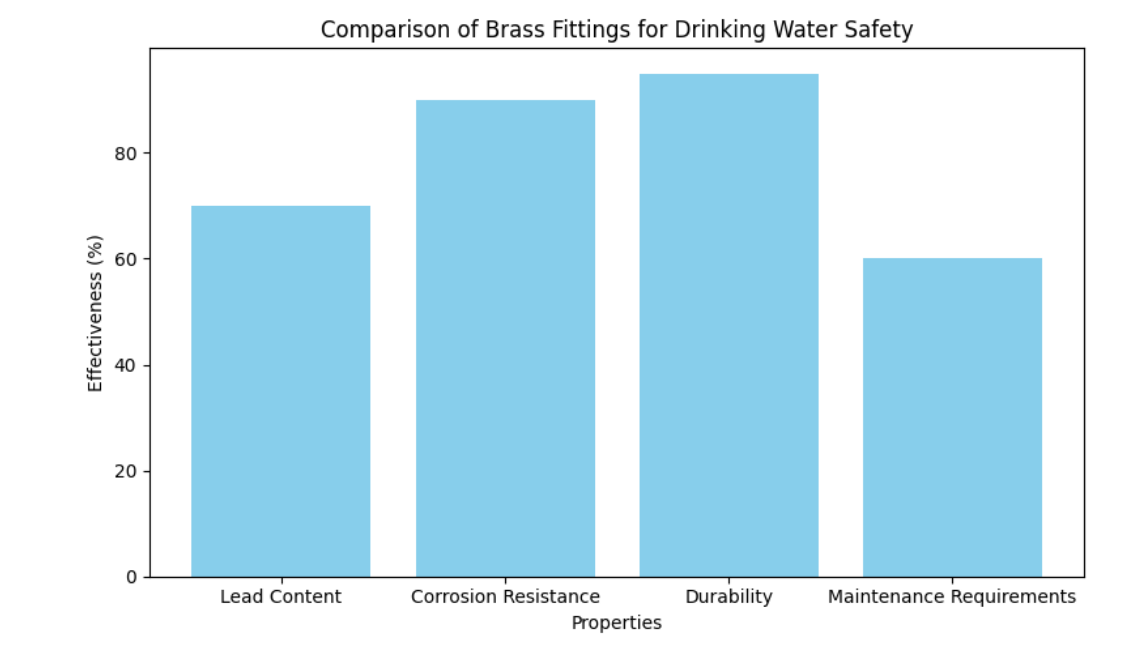
One of the primary reasons for using brass fittings in plumbing systems is their remarkable durability. Brass fittings can last for decades without significant wear or corrosion. Unlike materials such as plastic, which can degrade over time, brass maintains its strength and functionality even under challenging conditions. With proper installation and maintenance, brass fittings can provide reliable, long-lasting service, reducing the need for frequent repairs or replacements.
Resistance to Corrosion
Brass is highly resistant to corrosion, making it an excellent material for plumbing systems exposed to water, whether from municipal supplies or well water. Unlike steel or iron fittings, which can rust and deteriorate over time, brass fittings remain corrosion-resistant, even when exposed to harsh conditions. This resistance to corrosion helps maintain the integrity of the plumbing system and ensures that water quality remains unaffected.
Antimicrobial Properties of Brass
Brass has natural antimicrobial properties that help prevent the growth of bacteria, fungi, and other harmful microorganisms. Studies have shown that water stored in brass containers can remain safer for consumption compared to water stored in plastic or other materials. This property is particularly useful in areas with limited access to clean water or where water quality is a concern. Brass fittings, therefore, not only contribute to the structural integrity of the plumbing system but also promote safer water quality.
Potential Risks and Concerns with Brass Fittings
Lead Leaching in Older Brass Fittings
While modern brass fittings are typically lead-free or contain minimal lead, older brass fittings may still contain higher levels of lead. In systems where older brass fittings have been used, there is a potential risk of lead leaching into the drinking water, especially if the water has high acidity or low pH. If you live in an older home with brass plumbing fittings, it is essential to test the water for lead contamination. If lead levels are above the recommended limits, you may need to replace the brass fittings with newer, lead-free alternatives.
Dezincification of Brass
Dezincification is a process in which brass fittings degrade in highly acidic or high-chloride environments. This occurs when zinc is leached out of the alloy, leaving behind a porous and weakened structure. Dezincification can lead to a decrease in the quality of the water and may cause the fittings to fail prematurely. To avoid this, it is important to use brass fittings made from alloys designed to resist dezincification, particularly in systems where water chemistry is a concern.
Impact on Water Taste
Brass fittings can affect the taste of water under certain conditions. The copper and zinc components of brass can leach into the water, especially in highly acidic or warm water systems. This may result in a metallic or slightly bitter taste. Although the levels of copper and zinc that leach into the water are generally low, they can be noticeable in some cases. To minimize this issue, it is important to ensure that the water’s pH is balanced and that the brass fittings are properly maintained.
Risk | Explanation |
Lead Leaching | Older brass fittings may contain lead, which can leach into drinking water. |
Dezincification | In highly acidic or high-chloride water, brass fittings can degrade. |
Impact on Water Taste | Copper and zinc leaching can affect taste, especially in acidic or warm water. |
Lead-Free and Zero-Lead Brass Fittings for Drinking Water
Lead-Free Brass Fittings Regulations
Lead-free brass fittings must meet the requirement of less than 0.25% lead content. These fittings ensure that drinking water remains safe and free from lead contamination. It is essential to verify that any brass fittings used in potable water systems are certified lead-free and compliant with local regulations, such as the U.S. Safe Drinking Water Act (SDWA) and NSF/ANSI 61.
Zero-Lead Brass Fittings
Zero-lead brass fittings contain no lead at all, making them the best option for systems where the strictest safety standards apply. These fittings meet the latest regulatory requirements, including the 2014 update to the SDWA, which limits lead content to less than 0.25% by weight in potable water systems. Zero-lead brass fittings are ideal for use in drinking water systems, particularly in areas with stringent regulations.
Choosing the Right Fitting
When selecting brass fittings for drinking water systems, always opt for certified lead-free or zero-lead options. This ensures that the fittings are compliant with health and safety standards, reducing the risk of lead contamination. It is also essential to choose high-quality brass fittings from reputable manufacturers to ensure they meet regulatory requirements and offer long-lasting performance.
Best Practices for Using Brass Fittings in Drinking Water Systems
Regular Maintenance and Inspections
To ensure that brass fittings continue to perform safely in drinking water systems, it is important to conduct regular inspections. Look for signs of corrosion, lead leaching, or damage to the fittings. Regular maintenance and prompt replacement of worn-out fittings will help keep the system running smoothly and maintain water quality.
Proper Installation of Brass Fittings
Proper installation is crucial to ensuring that brass fittings function effectively in a drinking water system. Always follow the manufacturer’s guidelines and industry best practices when installing brass fittings. Proper installation prevents leaks, corrosion, and other issues that could compromise the safety of the plumbing system.
Water Quality Testing
Regular testing of drinking water for contaminants, including lead, copper, and zinc, is essential for ensuring water quality. If you suspect that your plumbing system may have issues with leaching metals or other contaminants, testing the water is a proactive step to identify and address potential problems.
Conclusion
In conclusion, brass fittings can be safe for drinking water when selected and installed correctly. Opting for lead-free and zero-lead brass fittings ensures compliance with safety regulations, keeping your water clean. Regular maintenance and water quality testing are also essential to maintain a safe system. For reliable, high-quality brass fittings, Hanyee offers trusted products to meet all your plumbing needs.
FAQ
Q: Are brass fittings safe for drinking water?
A: Brass fittings are generally safe for drinking water when they meet lead-free and NSF/ANSI 61 standards. Always choose certified fittings to ensure safety.
Q: What makes brass fittings suitable for drinking water systems?
A: Brass fittings are durable, resistant to corrosion, and have antimicrobial properties. Lead-free and zero-lead options ensure safe water use.
Q: How do I know if my brass fitting is lead-free?
A: Check for certifications such as NSF/ANSI 61. Lead-free brass fittings contain less than 0.25% lead, making them safe for potable water systems.
Q: Can brass fittings affect the taste of water?
A: Under certain conditions, such as high acidity, copper and zinc in brass fittings may slightly alter the taste of water, but lead-free options minimize this risk.
Q: Why is lead-free brass fitting important for drinking water?
A: Lead-free brass fittings prevent lead contamination in drinking water, complying with safety regulations like the U.S. Safe Drinking Water Act.


