Introduction
Brass fittings are essential in various systems, known for their durability and resistance to corrosion. But why are they preferred over other materials?
In this article, we will explore the different types of brass fittings, their uses, and the key benefits they offer. You’ll learn why brass is often the material of choice for critical plumbing and industrial applications.
Understanding Brass Fittings
What Is a Brass Fitting?
A brass fitting is a device used to connect, control, or adapt the flow of fluids or gases in a system. These fittings are primarily made from brass due to its excellent properties, such as resistance to corrosion and malleability. Brass fittings come in various forms, such as elbows, tees, couplings, and valves, each designed to serve specific functions in plumbing, air, gas, and hydraulic systems.
Brass fittings are indispensable in fluid and gas systems because they form a secure, leak-free connection between components. The metal itself is non-reactive, making it suitable for transporting water, air, gas, and other materials without degrading or contaminating the substances it carries.
Why Choose Brass for Fittings?
Brass fittings are favored for their combination of strength and resistance to environmental factors like corrosion, temperature extremes, and pressure. Unlike materials like steel or plastic, brass retains its integrity even in harsh conditions, making it ideal for long-term use in various applications.
The malleability of brass also allows for easier manufacturing, ensuring that fittings are adaptable to a wide range of sizes and designs. This adaptability is crucial in industries where precision and durability are essential.
Material | Corrosion Resistance | Durability | Heat Resistance | Malleability | Common Use |
Brass | Excellent | High | High | Excellent | Plumbing, HVAC, industrial |
Stainless Steel | Good | Very High | Very High | Moderate | Heavy-duty applications |
Copper | Moderate | Moderate | Moderate | High | Plumbing, heating systems |
PVC | Poor | Low | Low | Moderate | Cold water systems |
Types of Brass Fittings
Common Brass Fittings
Brass fittings come in many forms, each designed for specific functions in plumbing, gas, and fluid systems.
● Elbow Fittings: Used to change the direction of flow in a pipe system, elbows are commonly used in both plumbing and industrial systems.
● Tees: Tee fittings are used to connect three pipes at right angles to each other, forming a "T" shape that allows for branching or directing the flow of materials.
● Couplings: These fittings connect two sections of pipe to extend the length or repair damage to a pipeline.
● Adapters: Used to connect two pipes of different sizes or types, adapters help ensure compatibility between various components of a system.
● Valves: These fittings regulate the flow of fluids or gases within a system by either fully or partially closing off the pipe, making them essential in controlling pressure and volume.
Specialized Brass Fittings
Some applications require specialized fittings that offer unique advantages based on their design:
● Flare Fittings: These fittings are used in high-pressure systems where a leak-proof connection is critical. They involve expanding the end of a tube to form a strong seal.
● Compression Fittings: Widely used in plumbing, these fittings are designed to create a tight, leak-free seal by compressing the pipe with a nut and ferrule.
● Hose Barb Fittings: Often used in hose systems, hose barb fittings ensure a secure connection between hoses and pipes, providing a reliable solution for fluid transfer.
Type of Brass Fitting | Function | Common Applications |
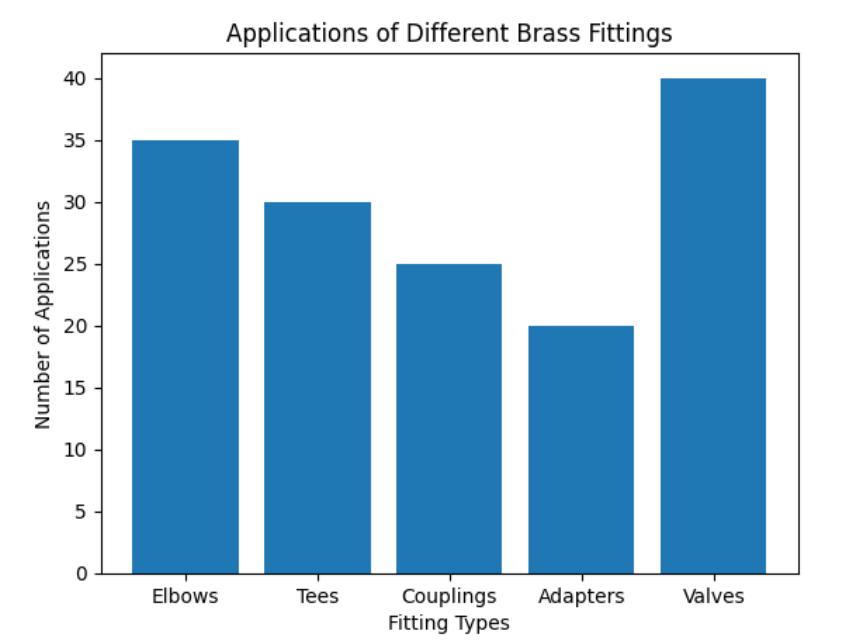
Elbow | Changes the direction of the pipe | Plumbing, HVAC, automotive |
Tee | Connects three pipes | Plumbing, air systems, gas systems |
Coupling | Connects two pipes end-to-end | Plumbing, water systems, fuel lines |
Adapter | Connects different pipe sizes or materials | HVAC, refrigeration, water systems |
Valve | Controls the flow of liquid or gas | Plumbing, HVAC, automotive, industrial systems |
Applications of Brass Fittings
Plumbing Systems
Brass fittings are commonly used in residential and commercial plumbing systems due to their ability to resist corrosion and withstand high-pressure environments. These fittings are particularly useful in water supply lines, hot water tanks, and drainage systems.
Their corrosion resistance makes brass fittings ideal for systems exposed to moisture, ensuring longevity and reducing the risk of leaks or pipe damage over time.
HVAC and Pneumatic Systems
In HVAC (Heating, Ventilation, and Air Conditioning) and pneumatic systems, brass fittings are essential for managing air and refrigerant flow. These fittings help to ensure efficient operation by providing tight, leak-proof connections in high-pressure environments.
Brass fittings' ability to withstand both high temperatures and pressure makes them perfect for use in refrigerant lines and air compressors, where durability is crucial.
Automotive and Industrial Applications
Brass fittings play a critical role in automotive systems, such as fuel lines, air brakes, and cooling systems. The reliability of brass ensures that these systems remain operational under challenging conditions, such as high temperatures and pressure.
In industrial machinery, brass fittings are used to connect hydraulic systems, fuel systems, and lubrication systems, where their durability prevents costly breakdowns and repairs.
Installing Brass Fittings: Best Practices
Preparation and Selection
Selecting the right brass fitting for your project is crucial for ensuring leak-free connections and optimal performance. When choosing a brass fitting, consider the type of material being used (water, gas, air), the system's pressure, and the required size of the connection.
Before installation, ensure that the surfaces of both the fitting and the pipe are clean, free from debris, and appropriately sized to avoid leaks or misalignments.
Step-by-Step Installation Guide
1. Choose the Correct Fitting: Based on your needs, select the appropriate fitting (elbow, tee, coupling, etc.) and ensure it's compatible with your pipes.
2. Apply Thread Sealant: Use PTFE tape or pipe thread sealant on the male threads to prevent leaks.
3. Hand Tighten: Thread the fitting onto the pipe by hand to avoid cross-threading, then use an adjustable wrench to tighten it further.
4. Ensure a Secure Connection: For compression fittings, ensure the nut and ferrule are tightened properly to create a solid, leak-proof seal.
Benefits of Using Brass Fittings
Durability and Longevity
Brass fittings are known for their exceptional durability. Unlike plastic or steel fittings, brass can withstand temperature fluctuations and exposure to chemicals, ensuring they last longer and require less maintenance.
This longevity translates to fewer repairs and replacements, making brass fittings a cost-effective option in the long term.
Cost-Effectiveness and Reliability
While brass fittings may have a higher initial cost compared to other materials, their ability to last longer and perform reliably over time makes them more economical for long-term use. Brass fittings require less maintenance and fewer replacements, reducing operational costs for industries and homeowners alike.
Alternatives to Brass Fittings
When to Consider Other Materials
While brass fittings are often the best choice for plumbing and industrial applications, there are alternatives that may suit specific needs. For example, stainless steel fittings are more suitable for high-temperature or highly corrosive environments. Plastic fittings may be more cost-effective for low-pressure applications but lack the durability of brass.
Environmental Considerations and Lead-Free Brass Fittings
Lead-free brass fittings are becoming more popular due to the increased focus on environmental and health concerns. These fittings are especially important in plumbing systems that carry potable water, as they prevent harmful lead exposure.
Brass fittings that comply with lead-free standards are safer for both humans and the environment, providing peace of mind for both residential and industrial applications.
Feature | Lead-Free Brass Fittings | Traditional Brass Fittings |
Lead Content | No lead | Contains lead |
Health Impact | Safe for potable water | Not safe for potable water |
Compliance | Meets safety standards | May not meet modern standards |
Environmental Impact | Environmentally friendly | May pose environmental risks |
Conclusion
Brass fittings are known for their durability, corrosion resistance, and versatility across industries. They provide reliable connections in plumbing, HVAC, automotive, and industrial systems, ensuring efficiency and leak prevention. By selecting the right brass fitting and installing it properly, you can enhance system longevity and safety. For high-quality, reliable brass fittings, Hanyee offers superior products that guarantee excellent performance and durability.
FAQ
Q: What is a brass fitting?
A: A brass fitting is a metal component used to connect, adapt, or control the flow of liquids or gases in plumbing, HVAC, and industrial systems. It is known for its corrosion resistance and strength.
Q: Why choose brass fittings over other materials?
A: Brass fittings offer high durability, corrosion resistance, and the ability to withstand high pressure and temperature, making them ideal for reliable, long-lasting connections in various systems.
Q: What are the different types of brass fittings?
A: Common brass fittings include elbows, tees, couplings, adapters, and valves, each serving a specific function in fluid and gas systems for efficient operation.
Q: Where are brass fittings typically used?
A: Brass fittings are used in plumbing, HVAC, automotive, and industrial applications to connect pipes, control flow, and prevent leaks in both residential and commercial systems.
Q: How do I install a brass fitting properly?
A: To install a brass fitting, ensure the correct size and type, apply thread sealant if necessary, and tighten the fitting securely to prevent leaks and ensure a durable connection.


