You might hear a threaded bushing called a threaded insert or insert nut. When you use a threaded insert, you make strong threads in wood, metal, or plastic. Threaded inserts help fix damaged threads and help connections stay strong longer. If you need to put bolts or screws in weak material, you can use a threaded bushing. Many people use threaded inserts for fast repairs or to add new threads. You can find threaded insert solutions in furniture, cars, or machines.
Key Takeaways
Threaded bushings give strong threads to weak or broken materials like wood, metal, and plastic. They let you use the same threads again and again. To put in a threaded insert, you drill a hole. Then you put the insert in the hole. You secure it to make a strong threaded spot. Threaded bushings fix stripped screw holes. They help connections last longer. This saves you time and money. Picking the right material and thread size for your bushing keeps the fit safe. It also stops leaks and makes it last longer. Threaded bushings keep your base materials safe from harm. They let you use screws or bolts many times.
Threaded Bushing Basics
Definition
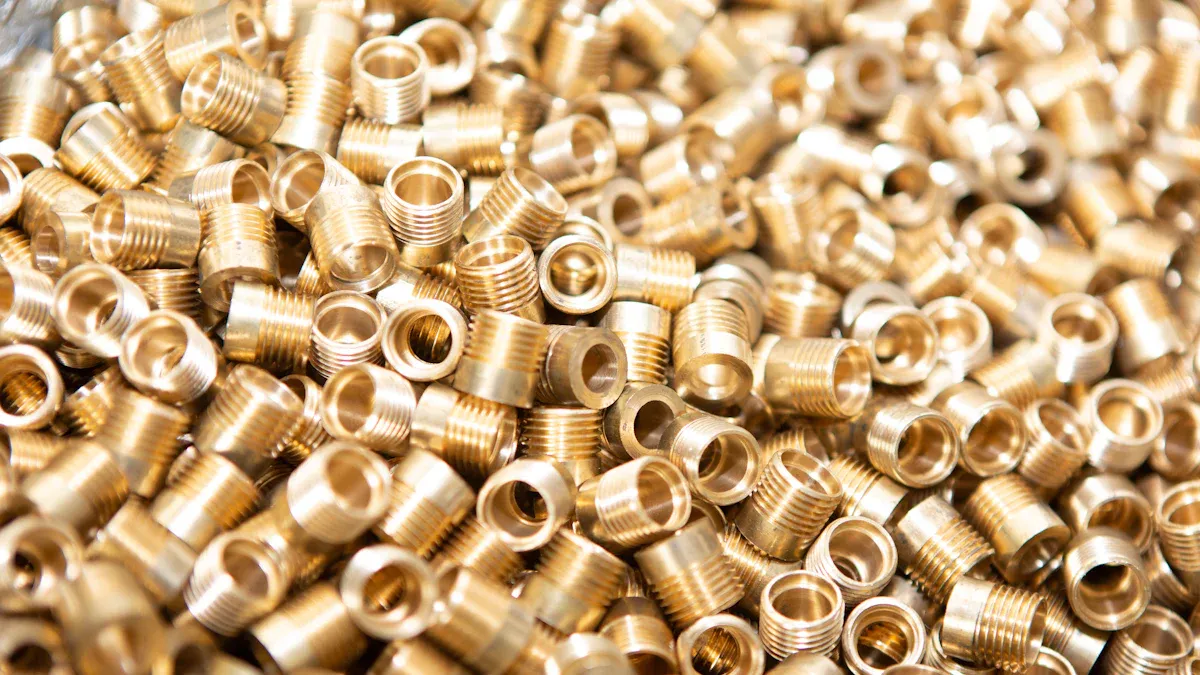
You use a threaded bushing when you want to add strong threads to a material that does not have them. People also call it a threaded insert. This small part looks like a metal or plastic cylinder with threads on the inside and sometimes on the outside. You can find threaded inserts in many shapes and sizes. Some have slotted sides, while others have smooth or knurled surfaces.
A threaded insert helps you create a secure threaded hole in materials like wood, metal, or plastic. If you work with soft materials, you know that screws can strip out the original threads. Threaded inserts solve this problem. You can use them to repair damaged threads or to make new, reusable threads in a weak base.
Tip: If you want to make a connection last longer, choose a threaded bushing or threaded insert. These parts protect the base material and let you use the same screw many times.
How It Works
When you install a threaded insert, you first drill a hole in your material. This hole should match the size of the insert. You then screw or press the threaded insert into the hole. The outside of the insert grips the material, while the inside gives you strong threads for your bolt or screw.
Here is how you use threaded inserts step by step:
Drill a hole in your material. Make sure the hole matches the size of the threaded insert.
Place the threaded insert into the hole. Some inserts need you to screw them in, while others press in with a tool.
The outside of the insert locks into the material. This keeps the insert from spinning or pulling out.
Now, you can use a bolt or screw in the new threaded hole. The insert gives you strong, reusable threads.
You can use threaded inserts in wood to fix stripped screw holes in furniture. In metal, threaded screw inserts help you repair damaged threads or add new ones. In plastic, threaded inserts stop the threads from wearing out too fast. You often see threaded bushings in machines, cars, and electronics.
Note: Threaded inserts come in many types. Some have self-tapping threads, while others need glue or heat to stay in place. Always choose the right insert for your material.
A threaded bushing gives you a simple way to make strong, lasting connections. You can use threaded inserts to fix problems or to build something new. They help you save time and money by making repairs easy and by protecting your materials.
Threaded Bushing Uses
Fastening and Repair
You often face problems when you work with soft materials like wood or plastic. Screws can strip out the holes, and you lose the ability to make a strong connection. Threaded inserts help you solve this problem. You can use them to repair damaged threads or to create new, strong threads in weak materials.
If you have a piece of furniture with a loose screw, you can fix it with a threaded insert. Drill a new hole, install the insert, and you get a secure place for your screw. You can also use threaded inserts to repair metal parts. When a bolt hole in a machine gets stripped, you do not need to replace the whole part. You just add a threaded insert, and the connection becomes strong again.
Tip: Threaded inserts let you reuse the same screw many times. You do not need to worry about the threads wearing out quickly.
Threaded bushings play a key role in repair work. You can use them to restore the strength of a connection without replacing the entire item. This saves you time and money.
Materials and Applications
You can use threaded inserts in many materials. Each material has its own challenges, but threaded inserts help you make reliable connections.
Wood:
You often see threaded inserts in furniture and cabinetry. They give you strong threads in soft or particle wood. You can assemble and disassemble furniture many times without damaging the wood.
Plastic:
Plastic parts can crack or wear out if you use screws directly. Threaded inserts protect the plastic and give you a solid anchor for bolts or screws. You find them in electronics, toys, and automotive parts.
Metal:
Metal parts sometimes have damaged or worn threads. You can use threaded inserts to repair these holes. This method works well in engines, machines, and tools.
Here is a table that shows common uses for threaded inserts in different materials:
Material | Example Application | Benefit |
Wood | Furniture assembly | Strong, reusable threads |
Plastic | Electronics housings | Prevents thread stripping |
Metal | Engine block repair | Restores damaged threads |
You can also use threaded inserts in 3D-printed parts. Many people add them to plastic prints to make the threads last longer.
Note: Always choose the right type of threaded insert for your material. Some inserts work better in wood, while others are made for metal or plastic.
Threaded inserts improve thread strength and allow you to make connections that last. You can take things apart and put them back together without losing holding power. This makes threaded inserts a smart choice for repairs, new builds, and upgrades.
Pipe Bushing Types
Reducer Bushings
You use a pipe bushing when you need to connect pipes of different sizes. This part helps you join a large pipe to a smaller one. The design of a pipe bushing includes threads on both the inside and outside. The inside threads fit the smaller pipe, and the outside threads fit the larger pipe. You often see a hexagonal head on bushings. This shape lets you use a wrench to tighten or loosen the bushing easily.
Pipe bushings take up less space than other fittings like couplings or unions. You can use them in tight spots where you do not have much room. The types of pipe bushings you find depend on the size and material of your pipes. Most bushings work with metal, plastic, or other common piping systems. You choose the right bushing based on the pressure and the material you need.
If you want to connect pipes of different sizes quickly, a pipe bushing gives you a simple solution.
Here is a table that shows how reducer bushings help you:
Pipe Size (Large) | Pipe Size (Small) | Use Case |
2 inch | 1 inch | Water supply lines |
1.5 inch | 0.75 inch | Gas piping |
1 inch | 0.5 inch | Home plumbing repairs |
Installation
You can install a pipe bushing with just a few tools. First, you choose the right size for your pipes. Next, you clean the threads on both pipes. You screw the bushing into the larger pipe fitting. The hexagonal head lets you use a wrench for a tight fit. After that, you screw the smaller pipe into the inside threads of the bushing.
Most pipe bushings come in steel, brass, or plastic. Steel bushings work well for high-pressure systems. Brass bushings resist corrosion and last a long time. Plastic bushings are light and easy to handle. You pick the material based on your system and the pressure it needs to handle.
Tip: Always check the pressure rating and material before you install a pipe bushing. This helps you avoid leaks and keeps your system safe.
You see the benefits of pipe bushings when you need to repair or upgrade your piping. You save space, connect pipes of different sizes, and make your system stronger. The types of pipe bushings you choose depend on your needs and the materials you use.
Uses of Pipe Bushings
Plumbing
You often see a pipe bushing in plumbing systems. When you need to connect pipes of different sizes, you use this part to make a tight and leak-free joint. For example, you might want to join a large water supply pipe to a smaller faucet line. A pipe bushing helps you do this without replacing the whole pipe. You can also use it to repair old plumbing where the original threads have worn out.
Many plumbers choose pipe bushings because they save space. You do not need bulky fittings. You can fit a bushing into tight spots behind walls or under sinks. This makes your work easier and faster. If you want to prevent leaks, always check that the threads match and use the right sealing tape.
Tip: Always clean the threads before you install a pipe bushing. This helps you get a better seal and avoid leaks.
Here is a quick list of common plumbing uses:
Connecting pipes of different diameters
Repairing damaged pipe threads
Adapting old plumbing to new fixtures
Mechanical Assemblies
You also find the uses of pipe bushings in many machines and equipment. When you build or repair a mechanical system, you often need to join parts with different thread sizes. A pipe bushing lets you connect these parts without special tools. You can use them in engines, pumps, and air compressors.
The benefits of pipe bushings in mechanical assemblies include saving space and making repairs easier. You can replace only the worn part instead of the whole assembly. This saves you money and time. Many factories use bushings to keep machines running smoothly.
Application | Why Use a Pipe Bushing? |
Engine repair | Connects different thread sizes |
Pump maintenance | Adapts new parts to old systems |
Air systems | Prevents leaks at joints |
Note: Always choose a bushing made from a material that matches your system. This helps prevent rust and damage.
Choosing a Threaded Bushing
Material Compatibility
When you choose a threaded bushing, you need to think about the material. The right material helps your connection last longer and work better. You want to match the bushing material to your system and the environment.
Stainless steel bushings work well in high temperatures or where you need extra strength.
Brass bushings resist rust and last a long time in water systems.
PVC bushings fit best in water pipes and places with low pressure.
Plastic bushings are light and easy to install, but they may not handle heavy loads.
You should also think about what the bushing will face. If your system sits outside, UV rays and weather can wear down some materials. Chemicals in the air or water can also damage certain bushings. Always check if the bushing can handle the environment where you plan to use it.
Tip: Pick a high-quality bushing for better safety and longer life. This choice can save you time and money on repairs.
Thread Size
Thread size matters when you want a tight, leak-free fit. You need to match the thread size of the bushing to the pipes or parts you connect. If you pick the wrong size, you might get leaks or weak joints.
Here are some steps to help you choose the right thread size:
Measure the inside and outside diameter of your pipes or holes.
Check the thread pitch, which is the distance between threads.
Compare your measurements to the bushing’s size chart.
Step | What to Measure | Why It Matters |
1 | Diameter | Ensures proper fit |
2 | Thread pitch | Prevents cross-threading |
3 | Application pressure | Matches load needs |
You should also think about the pressure and load the bushing will face. High-pressure systems need bushings with strong threads and the right size. If you use the wrong size, the connection may fail under stress.
Always plan for long-term use. The right size and material help your system work safely and last longer.
Benefits
Durability
You want your projects to last. Threaded bushings help you reach that goal. These small parts add strength to your connections. When you use a threaded bushing, you make the threads in your material much stronger. You can tighten and loosen bolts or screws many times without wearing out the threads.
Many bushings use tough materials like steel, brass, or strong plastics. These materials resist rust, heat, and pressure. You can use them in places where you need extra strength, such as engines or heavy machines. If you work with wood, a threaded insert stops the wood from splitting or breaking. In plastic, the bushing keeps the threads from stripping out.
Tip: Choose a bushing made from a material that matches your project. This choice helps your repair or build last longer.
Here are some ways threaded bushings improve durability:
They let you reuse the same screw or bolt many times.
They stop threads from wearing out in soft materials.
They resist damage from heat, water, and chemicals.
Protection
Threaded bushings do more than just add strength. They also protect your materials. When you use a bushing, you keep the base material safe from damage. The bushing takes the stress, not the wood, plastic, or metal around it.
You often see this benefit in furniture. If you assemble and take apart a chair many times, the wood can wear out. A threaded insert protects the wood and keeps the joint tight. In machines, bushings protect metal parts from getting stripped or damaged.
Benefit | How It Helps You |
Prevents wear | Keeps threads from stripping |
Stops cracking | Protects soft materials |
Reduces repair | Makes connections last longer |
Note: Using a threaded bushing means you spend less time fixing broken threads. You get a stronger, safer, and longer-lasting connection every time.
Threaded bushings and pipe bushings help you make strong and safe connections. You can use them to fix, build, or improve many things. When picking a bushing, think about how strong it needs to be. You should also check the size and where you will use it. The table below lists what you should look at before choosing:
Factor | Why It Matters |
Mechanical Strength | Handles heavy loads and stress |
Terminal Load | Supports bolts and connectors |
Installation Ease | Makes setup simple and safe |
Total Cost | Saves money over the life of your project |
Standards Compliance | Meets safety and quality rules |
Environmental Fit | Works well in your local conditions |
Always pick a bushing that fits your project. This helps your work last longer and keeps it safe.
FAQ
What is the difference between a threaded bushing and a threaded insert?
You use both to add threads, but a threaded bushing often connects pipes or adapts sizes. A threaded insert usually repairs or strengthens threads in wood, metal, or plastic. Both help you make strong, reusable connections.
Can you reuse a threaded bushing after removal?
You can reuse most threaded bushings if you remove them carefully and they show no damage. Always check the threads for wear or cracks before you install them again.
How do you know which size threaded bushing to choose?
Measure the inside and outside diameters of your pipes or holes. Check the thread pitch. Match these numbers to the bushing’s size chart. This helps you get a tight, safe fit.
Do threaded bushings work in plastic materials?
Yes, you can use special threaded bushings in plastic. These bushings protect the plastic from stripping and give you strong threads for bolts or screws. Always choose a bushing made for plastic.
Why do you need to use a threaded bushing instead of just a screw?
A threaded bushing gives you stronger threads and protects soft materials. You can tighten and loosen screws many times without damaging the hole. This makes your repairs and builds last longer.


