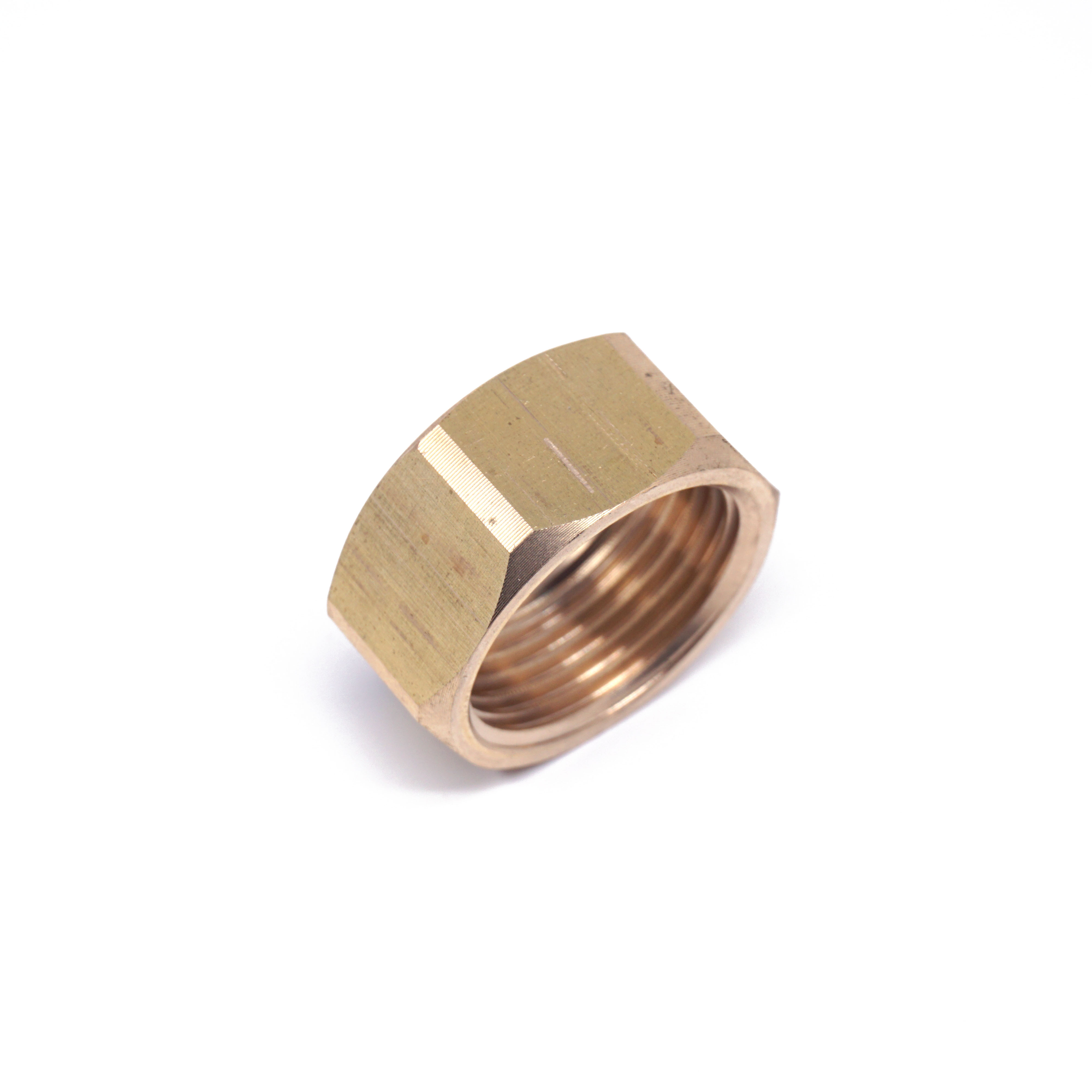
Engineers and procurement teams face constant pressure today. They must balance exact part precision, rapid production speed, and strict unit budgets. Finding the right material often feels like a difficult compromise. Enter free-machining brass. C360 brass machining serves as the undisputed industry standard for high-volume, tight-tolerance manufacturing. It delivers exceptional machinability without sacrificing structural integrity.
However, specifying this alloy is not always straightforward. While highly versatile, deciding to use it requires careful evaluation. You must review its mechanical limits and regulatory compliance regarding lead content. You must also evaluate the capabilities of your chosen manufacturing partner. In this guide, we explore why this specific alloy remains popular. You will learn how to align its physical properties with your part requirements. We will also cover compliance risks, mitigation strategies, and the critical steps for vendor selection.
Key Takeaways
C360 brass holds a 100% machinability rating, drastically reducing cycle times and tooling wear compared to steel or aluminum.
Ideal for complex, custom CNC brass components requiring tight tolerances, superior surface finishes, and moderate strength.
Regulatory restrictions regarding lead content (RoHS, Safe Drinking Water Act) must be evaluated before specifying C36000 brass for consumer or fluid-handling applications.
Selecting the right precision machining partner requires assessing their chip management, scrap recycling capabilities, and quality control processes to ensure cost-efficiency.
The Benchmark of Machinability: Why Engineers Specify C36000 Brass
High cycle times and rapid tool wear inflate the cost per part in precision manufacturing. Harder metals require slower spindle speeds. They also demand frequent tool replacements. These factors severely disrupt production flow. When you scale up to thousands of parts, every lost second hurts your bottom line. Engineers need a material designed specifically for rapid material removal.
C36000 brass provides the ultimate solution. Industry standards assign it a 100% machinability rating. It acts as the baseline against which experts measure all other metals. The secret lies in its precise chemical composition. The alloy contains roughly 61.5% copper, 35.5% zinc, and critically, 2.5% to 3.7% lead. During the cutting process, this lead content disperses as microscopic particles. They melt slightly under cutting friction. This creates a natural internal boundary lubricant.
We can map these unique material features directly to tangible manufacturing outcomes:
High-speed machining: Shops can push CNC spindles to their maximum RPMs. This drastically lowers machine-hour costs. Faster feed rates directly translate to higher daily throughput.
Reduced tool wear: The built-in lubrication extends the life of carbide inserts. You experience far fewer production interruptions. Consumable tooling costs remain exceptionally low.
Excellent chip formation: Long, stringy chips easily tangle around tooling. C360 prevents this entirely. It produces small, brittle chips. They break and clear away instantly. This prevents machine jamming in automated CNC turning centers. It proves ideal for "lights-out," unstaffed manufacturing.
Common mistakes in early design phases often involve choosing aluminum over C360 simply for weight reduction. While aluminum is light, C360 allows for much tighter threading and superior surface finishes straight off the machine, eliminating costly secondary polishing steps.
Key Properties Mapped to Part Performance
Understanding a material's chemical makeup is only half the battle. You must translate physical and chemical specifications into practical evaluation criteria. This helps decision-makers ensure the material perfectly matches the final application.
C360 Brass Mechanical and Physical Properties Matrix
Property
Typical Value (Half-Hard Temper)
Practical Application Impact
Tensile Strength
58,000 psi
Strong enough for standard mechanical fasteners.
Yield Strength
45,000 psi
Resists permanent deformation under moderate loads.
Machinability Rating
100%
Enables maximum cutting speeds and minimal tool wear.
Thermal Conductivity
67 Btu/sq ft/hr/°F
Dissipates heat efficiently in electrical enclosures.
Tensile Strength & Structural Integrity
C360 offers a yield strength of approximately 45,000 psi when supplied in a half-hard temper. We must view this metric through a strict evaluation lens. This strength rating proves more than sufficient for most structural hardware. It works beautifully for custom standoffs, brackets, and equipment housings.
However, we must respect its limitations. It does not serve as a direct replacement for high-tensile steel in heavy-load bearing environments. If your component faces severe dynamic impact or extreme shear stresses, C360 might deform. Best practice dictates using brass for rigid, static components rather than active, high-stress drive shafts.
Corrosion Resistance & Surface Finishing
Beyond mechanical strength, environmental survivability matters. C360 boasts natural resistance to atmospheric corrosion. It also withstands exposure to non-oxidizing acids and many common industrial solvents. This intrinsic resistance prolongs part lifespans in moderate environments.
Furthermore, C360 is incredibly receptive to secondary operations. You do not need extensive surface preparation. The metal readily accepts nickel, chrome, or silver plating. It also accommodates soldering and brazing processes easily. This makes it a highly favored substrate for electrical connectors where surface conductivity is paramount.
High-Volume Applications for CNC Brass Components
Demonstrating industry expertise means knowing exactly where a material provides the highest return on investment. CNC brass components dominate several critical sectors. By examining these use cases, buyers can validate their specific designs.
C360 Brass Fittings & Fluid Control
Fluid management systems demand absolute precision. Valve bodies, pneumatic adapters, and hydraulic connectors require perfect internal geometries. Leak-tight tolerances are non-negotiable. C360 brass fittings excel in this category. The material cuts cleanly, ensuring threads remain sharp and burr-free. A single microscopic burr can compromise an O-ring seal. C360's crisp chip-breaking properties eliminate this risk entirely. Furthermore, brass inherently resists galling. This allows technicians to assemble and disassemble threaded fittings multiple times without damaging the threads.
Electrical & Electronic Components
The electronics industry relies heavily on custom-turned pins, coaxial connector bodies, and switch terminals. These parts leverage the alloy's thermal and electrical conductivity. While pure copper conducts electricity better, it is notoriously gummy and difficult to machine. C360 strikes the perfect balance. It provides adequate conductivity while allowing for rapid, micro-precision machining. Additionally, it remains non-magnetic. This prevents interference in sensitive RF (radio frequency) assemblies and medical diagnostic equipment.
Precision Fasteners & Gears
Mechanical assemblies often require small, intricate geometries. Custom knurled knobs, specialized screws, and precision clockwork gears demand exceptional dimensional stability. Post-machining warpage ruins tight gear meshes. Because C360 cuts with minimal cutting force, it introduces very little residual stress into the part. The final machined geometry stays exactly where you modeled it. This stability guarantees smooth mechanical operations over millions of cycles.
Implementation Realities: Lead Content and Compliance Risks
Building a trustworthy supply chain requires deep transparency about material limitations. We must directly address the regulatory realities surrounding C360. The exact element making this alloy so exceptionally machinable also introduces significant compliance risks.
The Lead Consideration
As previously mentioned, the 2.5% to 3.7% lead content acts as a microscopic lubricant. Lead does not dissolve entirely into the copper-zinc mixture. Instead, it remains scattered in tiny globules. This metallurgical trait gives the material its signature short chip. However, global health standards increasingly target lead exposure, forcing engineers to reconsider where they deploy this alloy.
Regulatory Frameworks
Drinking Water: The updated Safe Drinking Water Act (SDWA) strictly regulates potable water components in the United States. It mandates a maximum weighted lead content of 0.25% for wetted surfaces. Standard C360 dramatically exceeds this limit. Non-compliance results in severe legal penalties. You absolutely cannot use it for residential plumbing valves or drinking water dispensers.
Global Markets: If you export electronics to the European Union, you face RoHS (Restriction of Hazardous Substances) and REACH directives. Historically, RoHS granted an exemption (Exemption 6c) allowing up to 4% lead in copper alloys. However, regulatory bodies review these exemptions frequently. Relying on them long-term presents a strategic supply chain risk.
Mitigation & Alternatives
When regulatory compliance outweighs pure machinability, you must pivot. Several lead-free or low-lead alternatives exist today. Materials like C46400 (Naval Brass) or C69300 (Eco-Brass) meet modern environmental mandates. Eco-Brass uses silicon instead of lead to improve chip breaking.
However, a common mistake is assuming you can swap C360 for Eco-Brass without updating your machining strategy. Lead-free brass requires different tooling geometries, slower feed rates, and stronger coolant applications. Always consult your machining partner before executing a material substitution.
Shortlisting a Partner for Precision Brass Machining
Material selection represents only the first phase of successful production. Transitioning from engineering design to procurement action requires finding the right manufacturing vendor. precision brass machining demands specialized shop-floor workflows. You must evaluate prospective partners across three critical dimensions.
Tolerance Capabilities
Modern fluid control and electronic housings demand extremely tight dimensions. You must verify the vendor's ability to hold micro-tolerances consistently. Ask if they can maintain +/- 0.0005 inches across high-volume production runs. Achieving this requires highly rigid Swiss-style CNC lathes and strict thermal management on the shop floor. Request capability studies (Cpk data) from their past brass projects to prove they do not drift out of spec as tools wear.
Scrap Economics & Chip Recycling
Brass raw material carries a high commodity cost. However, because C360 machines so cleanly, it generates highly recyclable chips. Evaluate if the vendor runs efficient scrap recycling programs. Elite machine shops segregate their brass chips carefully. They prevent cross-contamination with aluminum or steel. They then sell this pure brass scrap back to the mills. A transparent partner will factor this scrap credit into their quoting process. This practice significantly subsidizes your final part cost.
Quality Traceability
Never leave material verification to chance. Ensure the facility provides complete Material Test Reports (MTRs) with every shipment. These documents prove the chemical composition matches the standard. Furthermore, audit their quality control processes. Strict ISO 9001-certified inspection protocols verify that the exact grade was used. Counterfeit metals can ruin product lifespans and trigger massive recall liabilities. Trustworthy partners offer full lot traceability from raw bar stock to finished component.
Conclusion
Specifying materials for complex, high-volume production requires balancing competing priorities. C360 brass delivers unmatched production economics by maximizing spindle uptime and extending tool life. Its 100% machinability rating drastically reduces cycle times. Furthermore, its natural corrosion resistance and surface finishing capabilities make it ideal for fluid control and electronics.
However, you must remain vigilant regarding regulatory requirements. Lead content restrictions dictate exactly where you can deploy this alloy safely. You must also partner with a machine shop capable of holding tight tolerances while managing scrap economics effectively.
As your next step, gather your CAD files and technical drawings. Submit them to an experienced machining partner for a comprehensive Design for Manufacturability (DFM) review. A thorough review will confirm if C360 represents the optimal choice for your specific component geometry and end-use environment.
FAQ
Q: Can C360 brass be welded?
A: It is generally not recommended. The lead content inside the alloy vaporizes under extreme welding heat, creating toxic fumes and porous, weak joints. Instead, soldering or brazing is heavily preferred for joining these components safely and securely.
Q: How does C360 compare to C3604 brass?
A: The primary difference lies in regional standardization. C360 follows the American ASTM standard, while C3604 follows the Japanese JIS standard. Chemically and mechanically, their properties are nearly identical, and they are often used interchangeably in global manufacturing.
Q: Is C360 brass magnetic?
A: No, it is entirely non-magnetic. This characteristic makes it highly suitable for sensitive electronic housings, RF connectors, and medical device enclosures where magnetic interference could disrupt sensitive internal electronics.
Q: Does precision brass machining require coolant?
A: It is often machined completely dry. The lead content provides natural, self-lubricating properties during the cutting process. Machining dry prevents messy part cleanup, minimizes thermal shock to the cutting tools, and eliminates expensive coolant disposal costs.