
Views: 0 Author: Site Editor Publish Time: 2026-09-22 Origin: Site


Modern engineering frequently demands materials capable of pushing the absolute boundaries of electrical and thermal performance. Copper stands out as an unparalleled conductor for these high-stakes applications. However, engineers face a notorious dilemma when specifying this metal. Its high ductility and gummy nature create significant machinability challenges on the shop floor. These inherent material quirks often drive up production costs and extend manufacturing lead times.
You must carefully balance raw conductivity requirements against practical manufacturing limitations. This guide provides procurement managers and engineers a realistic framework. You will discover how to evaluate various copper grades effectively. We will explore specific machining limitations and proven mitigation strategies. Finally, you will learn exactly how to vet vendor capabilities before specifying copper for your next precision component project.
Material Selection is a Trade-off: High-purity grades (e.g., C101) maximize conductivity but drop machinability to ~20%; alloyed grades (C145) improve machining at a slight conductivity cost.
Tooling Strategy Dictates Quality: Successful copper machining requires specialized sharp tooling (carbide or PCD) and high-pressure coolant to prevent work hardening and surface smearing.
Vendor Vetting: Sourcing a reliable partner requires verifying their chip management protocols, temperature control, and experience with specific post-machining surface treatments.
Deciding to use copper for a precision part requires a deep understanding of its lifecycle value. Copper carries higher raw material costs than alternatives like aluminum or brass. It also demands more machining time. However, specific high-stakes applications easily justify these upfront premiums. You must weigh the initial investment against long-term reliability.
Expert copper CNC machining unlocks several distinct material advantages. The most prominent benefit is superior electrical and thermal conductivity. Engineers use pure copper as the standard reference point, grading it at 100% IACS (International Annealed Copper Standard). Few other metals come close to this baseline efficiency.
Beyond conductivity, copper offers natural corrosion resistance. It forms a protective patina when exposed to the elements. The metal also possesses unique antimicrobial properties. It actively destroys bacteria and viruses upon contact. Furthermore, copper remains entirely non-magnetic. This characteristic proves critical when designing sensitive electronics, navigation sensors, and advanced medical devices.
You must apply a strict evaluation lens during the design phase. Sometimes, downgrading to brass makes financial sense. Brass machines much faster and costs less. You should choose brass for low-current applications or decorative hardware. Conversely, pure copper becomes non-negotiable when maximum thermal dissipation or electrical transfer governs system performance.
Table 1: Lifecycle Value Comparison Chart
Material |
Relative Cost |
Machinability |
Conductivity (IACS) |
Best Application Fit |
|---|---|---|---|---|
Aluminum (6061) |
Low |
Excellent |
~43% |
Lightweight structural parts, basic heat sinks. |
Brass (C360) |
Medium |
Excellent (100%) |
~28% |
Fittings, low-current connectors, fasteners. |
Copper (C110) |
High |
Poor (20%) |
101% |
High-current busbars, heavy-duty electronics. |
Not all copper is created equal. Selecting the right grade dictates both the component's functionality and its manufacturability. Engineers generally choose from three primary classifications.
C101 represents the pinnacle of purity. It contains 99.99% pure copper. Engineers specify C101 for high-vacuum electronics and cryogenics. This grade resists hydrogen embrittlement at extreme temperatures. It also prevents outgassing in vacuum chambers.
The machining reality of C101 presents severe difficulties. It is extremely soft and incredibly gummy. This grade poses the highest risk of tool wrap-up. Machinists must run equipment at slower speeds. They must also monitor the cutting zone constantly to prevent catastrophic tool failure.
C110 serves as the industry baseline. It contains 99.9% copper and a small amount of oxygen. You will find C110 in standard electrical contacts, transformers, and heavy busbars. It delivers excellent conductivity at a more accessible price point than C101.
However, C110 still suffers from poor machinability. Experts rate it at roughly 20% compared to free-machining brass. It requires specialized tooling and careful coolant management. Despite these hurdles, C110 remains the most cost-effective choice for general electrical components.
C145 solves many manufacturing headaches. It blends pure copper with a small percentage of tellurium. This addition creates a "free-machining" copper alloy. Engineers highly recommend C145 for high-speed CNC turning and milling operations.
The machining reality changes drastically here. C145 boasts an 85% machinability rating. The tellurium causes chips to break cleanly and form short fragments. This short chip formation drastically reduces production time and tool wear. While you sacrifice a slight amount of conductivity (dropping to roughly 93% IACS), the manufacturing efficiencies make CNC machined copper parts much more affordable.
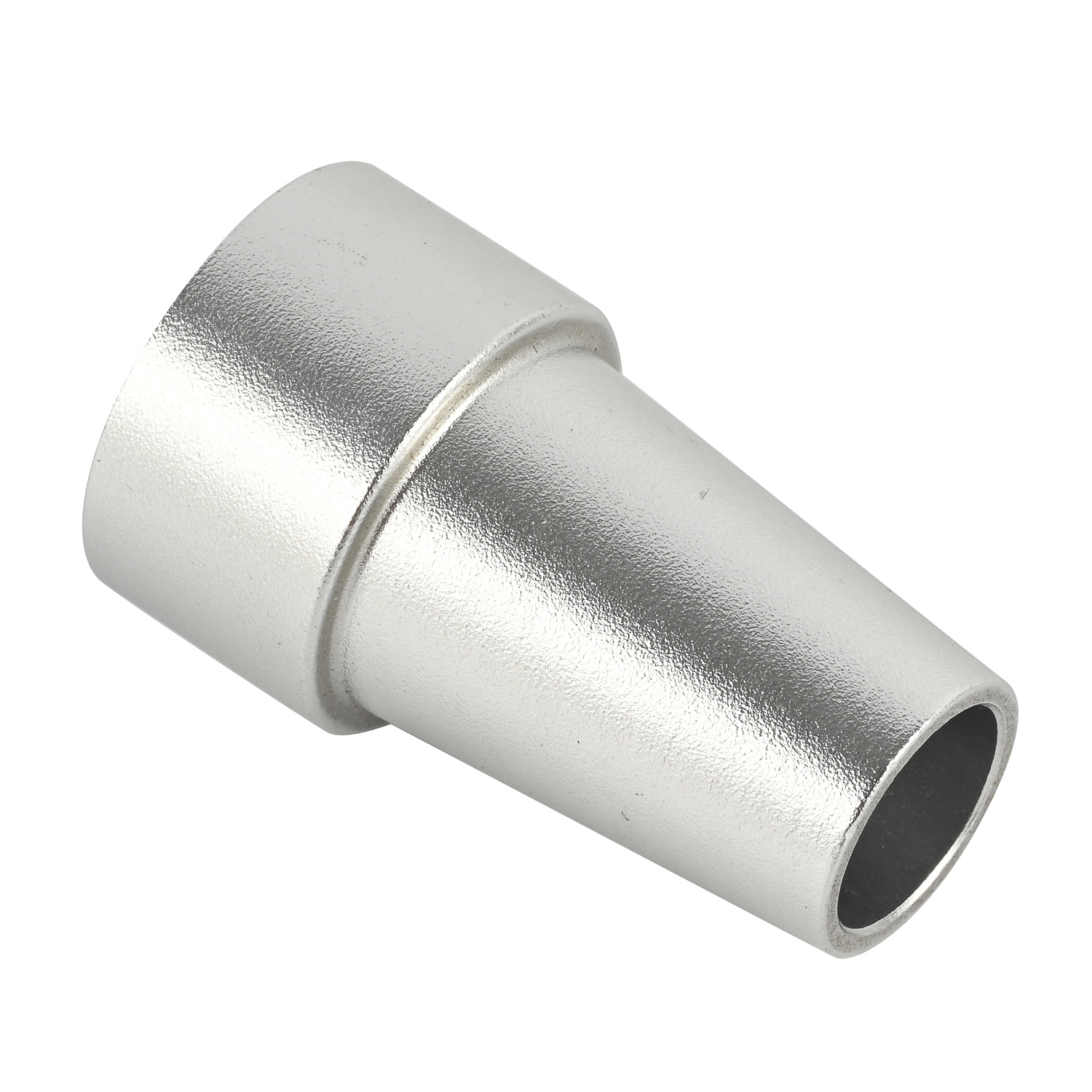
Working with pure copper requires profound expertise. The material behaves entirely differently than steel or aluminum. Understanding these core challenges helps you anticipate production delays and quality issues.
Copper possesses massive ductility. During cutting, the metal tends to smear rather than shear. This ductility causes material to weld directly to the cutting tools. We call this phenomenon Built-Up Edge (BUE). BUE ruins the tool's geometry, leading to poor surface finishes and rapid tool failure.
The solution relies on advanced tool selection. Machinists must use polished, uncoated carbide tools. The polished surface prevents the copper from adhering to the flute. Alternatively, Polycrystalline Diamond (PCD) inserts offer exceptional results. PCD tools feature aggressive rake angles. They slice cleanly through the gummy material without causing friction buildup.
Standard turning operations on pure copper produce long, stringy chips. These continuous chips wrap around the tool, the spindle, and the chuck. A tangled nest of copper ruins the workpiece surface and poses a severe safety hazard to operators.
Mitigating this risk requires strict chip management. Manufacturers implement specialized chip breakers engineered specifically for ductile metals. They also utilize high-pressure coolant systems to physically blast the chips away from the cutting zone. Programmers often utilize interrupted cuts to force the chip to break artificially.
Copper absorbs and retains heat rapidly. As the tool cuts the metal, the workpiece temperature spikes. This heat causes two major issues. First, the surface can work-harden, making subsequent cuts much more difficult. Second, the metal expands significantly.
Thermal expansion leads to dimensional instability during long machining cycles. A part cut to tolerance while hot will shrink once it cools. Shops combat this by deploying flood coolant strategies. They also enforce strict feed rate controls to minimize friction. Temperature management remains the most critical factor in holding precise tolerances.
Scaling down copper components amplifies every challenge. When performing micro CNC machining, maintaining tight tolerances (such as ±0.005mm) becomes exceptionally difficult. The miniature tools required for micro-scale features lack rigidity. The gummy nature of copper pushes back against these tiny end mills, causing severe tool deflection. Manufacturers must balance ultra-precise spindle speeds against tool fragility to achieve success.
Machining represents only the first step. Copper interacts heavily with its environment. Bare copper degrades quickly if left untreated. Proper post-processing ensures the component functions reliably over its intended lifespan.
Oxidation Management: Copper has a natural tendency to tarnish. Upon atmospheric exposure, it forms a green or brown patina. While this patina protects against deep corrosion, it ruins surface conductivity. Manufacturers must clean and seal parts immediately after machining to halt this natural oxidation process.
Electroplating (Tin, Silver, Nickel): Plating adds a functional layer over the raw copper. Tin plating enhances solderability for circuit board integration. Silver plating maximizes high-frequency RF transmission. Nickel plating improves overall wear resistance. Furthermore, plating prevents galvanic corrosion when the copper component must mate with other distinct metals in an assembly.
Passivation & Clear Coating: Sometimes, the raw aesthetic and specific electrical properties of copper are necessary. Passivation chemical treatments remove free iron and contaminants from the surface. Thin clear coatings prevent atmospheric exposure. These methods preserve the metal without adding unwanted dimensional thickness to the component.
Polishing and Lapping: Thermal and RF applications require flawless surfaces. Lapping and mechanical polishing remove microscopic machining marks. Achieving a true mirror finish maximizes the surface contact area. This proves critical for custom heat sinks. It ensures rapid thermal transfer away from sensitive computer chips.
The unique properties of copper make it indispensable across numerous advanced sectors. High-performance industries rely heavily on perfectly executed precision copper components.
Electric Vehicles (EV) & Power Distribution: The EV revolution heavily depends on copper. High-efficiency motor stators require intricate copper winding forms. Heavy-duty busbars distribute power from the battery array to the drivetrain. EV charging connectors utilize copper to handle continuous, high-current loads safely without melting.
Aerospace & Defense: Aerospace engineers utilize copper in extreme environments. Magnetrons for radar systems rely on copper's conductivity. Specialized heat exchangers manage temperatures in avionics bays. Non-magnetic copper housings protect sensitive navigation sensors from external electromagnetic interference.
Electronics & Semiconductors: Heat ruins computer processors. Copper acts as the ultimate heat sink material. Custom copper heat sinks pull thermal energy away from delicate silicon wafers. RF connectors and microwave transmission parts also leverage copper's excellent signal transfer capabilities.
Medical Devices: The medical industry values copper for distinct reasons. Its natural antimicrobial properties make it ideal for surgical tool handles and high-touch surface components. Additionally, its non-magnetic nature allows it to safely operate inside MRI machines without interfering with the imaging magnets.
Partnering with the right manufacturer prevents costly production failures. Copper machining is not a generic skill. It requires specific infrastructure and deep domain expertise. You should evaluate potential vendors using the following criteria.
Scrap Management & Material Sourcing: Copper swarf (the chips left after machining) holds massive financial value. Assess how the vendor handles this expensive scrap. A reputable copper CNC machining service will separate copper chips strictly from aluminum or steel. Ask if they pass material recycling credits back to your purchasing department.
Coolant and Cross-Contamination Protocols: Standard cutting fluids often contain active sulfur. Sulfur aggressively attacks copper, staining it black and degrading its surface conductivity. Ensure the shop runs dedicated clean coolant lines specifically formulated for yellow metals. They must isolate their copper production from their steel production.
Tolerance and Metrology Capabilities: Copper expands during machining. Inspecting a warm copper part yields false readings. Verify their metrology processes. Do they utilize temperature-controlled inspection rooms? They must allow parts to normalize thermally before final quality control. Furthermore, verify their equipment. Complex copper pins often require advanced 5-axis Swiss lathes to hold tight tolerances.
Compliance & Certifications: Match their certifications to your industry. Look for baseline ISO 9001 registration. If you operate in aerospace, demand AS9100 certification. Medical device manufacturers must insist on ISO 13485 compliance. These certifications prove the vendor maintains strict traceability on raw copper materials.
Successfully navigating copper manufacturing requires a calculated balance. You must carefully weigh material grade selection against advanced tooling strategies. Specifying ultra-pure C110 delivers peak conductivity but demands rigorous chip and heat management. Alternatively, adopting C145 Tellurium Copper drastically reduces production friction with only a minor performance penalty.
Your primary next step should be locking in your exact conductivity minimums. Determine the lowest acceptable IACS rating for your assembly. Then, consult directly with your manufacturing partner to select the most machinable grade meeting that threshold. This collaborative approach keeps tooling costs down and speeds up delivery times.
Stop letting material challenges delay your production schedule. Gather your latest component models and submit an RFQ or engineering drawing for a comprehensive Design for Manufacturability (DFM) review today.
A: No, pure copper and standard copper alloys are entirely non-magnetic. This characteristic makes them highly ideal for use in MRI equipment, sensitive aerospace navigation systems, and advanced electronics where magnetic interference would disrupt operations.
A: Brass contains zinc and often trace amounts of lead, which creates brittle chips that machine easily and quickly. Copper is highly ductile and gummy. It requires slower feed rates, specialized tooling, and high-pressure coolant. It also causes higher machine wear. These factors combined increase cycle times and drive up overall costs.
A: Yes, but it requires highly rigid machine setups and specialized micro-end mills to combat severe tool deflection. When machining miniature features, engineers typically rely on highly machinable grades like Tellurium Copper (C145) to prevent catastrophic tool breakage and hold tight tolerances.
A: Depending on the specific material grade and the part's geometry, top-tier manufacturing facilities can achieve tolerances as tight as ±0.005mm to ±0.01mm. This precision level requires temperature-controlled environments, strict coolant management, and advanced Swiss turning equipment to account for thermal expansion.
